On paper, Pakistan has begun to conserve its sea.
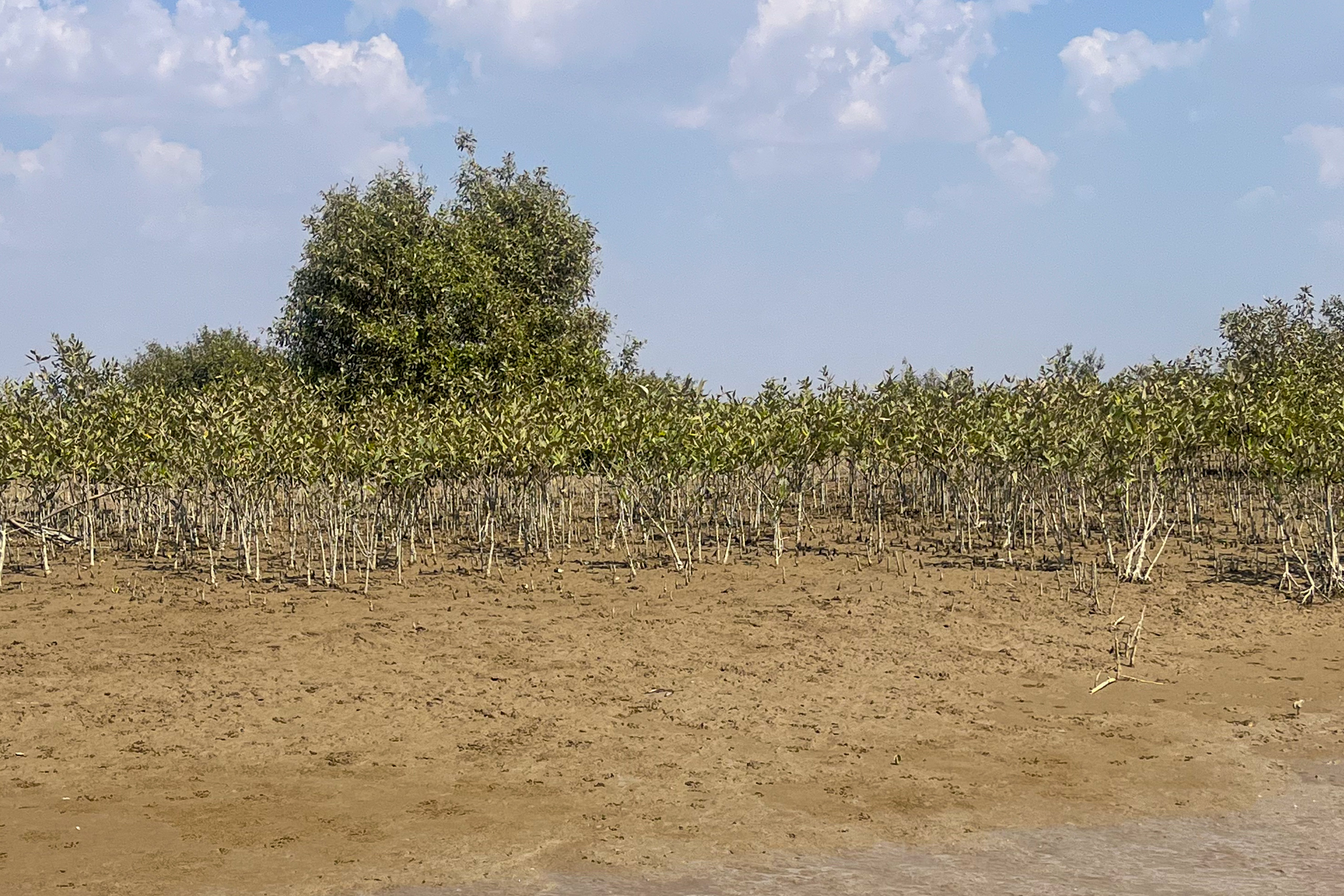
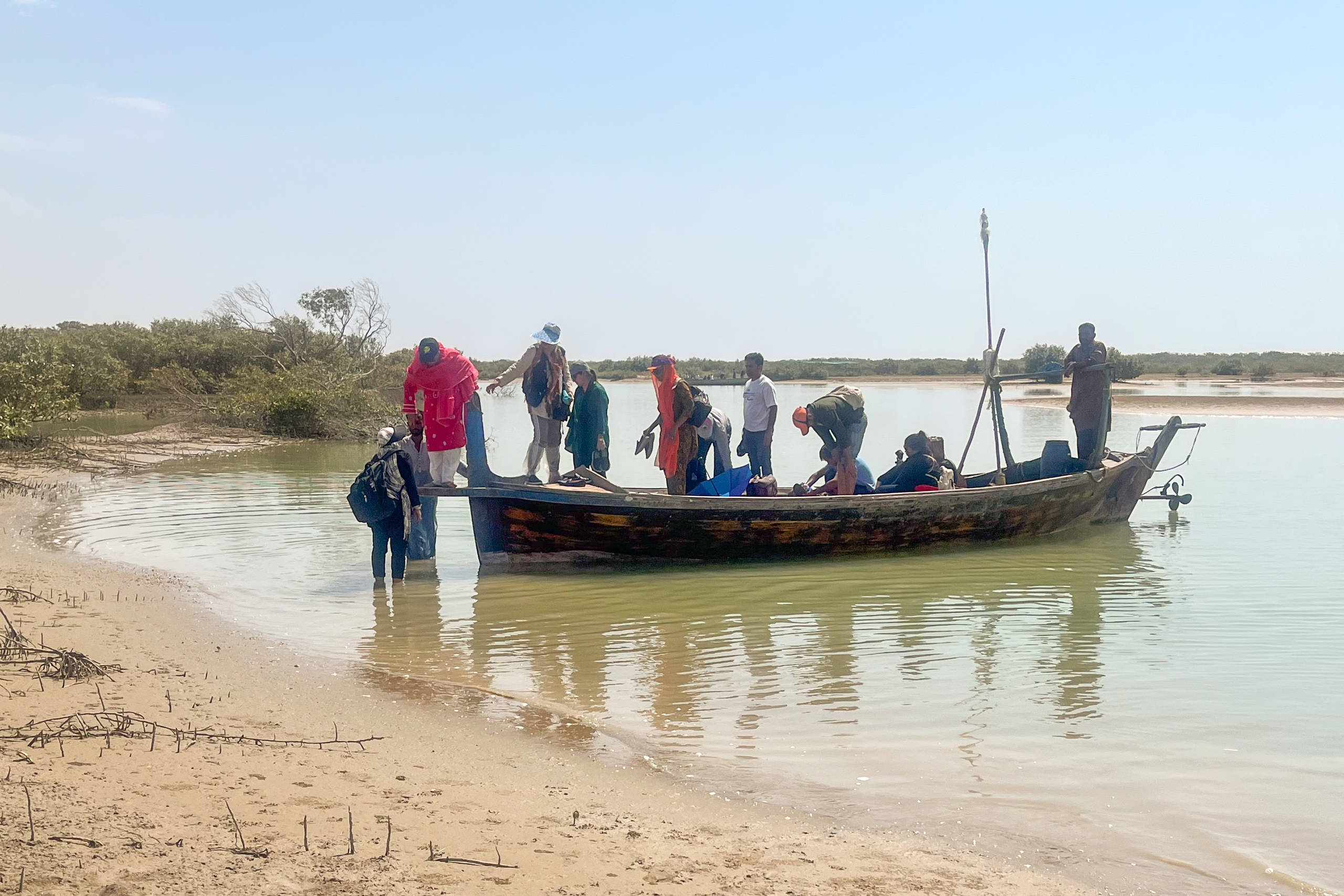
In July, the country created its third marine protected area around Miani Hor, a swampy coastal lagoon approximately 100km west of Karachi. This joins Astola Island and Churna Island, created in 2017 and 2024 respectively. These are meant to become safe havens for corals, fish and other marine species.
But the reality of Pakistan’s marine protected areas (MPAs) is trawlers sweeping the sea bed, discarded “ghost nets” entangling marine life, and fishers shocking their catch with electric currents.
An MPA is a defined zone of water under some kind of human-activity management.
MPAs range from highly protected reserves where people are almost entirely excluded, to areas where some activities, such as fishing, are allowed but others, such as oil drilling, are not. This has led to concerns that inconsistent use of the term is causing confusion and giving a misleading impression of the proportion of the ocean that is actually protected.
Pakistan has promised to protect 30% of its ocean by 2030. At present, these three MPAs cover less than 1%.
“Pakistan is a very terrestrial country and most conservation efforts are based there, as people are starting to understand the issues and are loud about the problems,” explains Rab Nawaz, senior director for biodiversity programmes at WWF-Pakistan. He worries that Pakistan’s sea is consequently being overlooked: “We are already losing much of the country’s marine life due to poorly planned development activities, and climate change.”
Pakistan’s ocean promises
Ocean health is key to humanity’s survival. The ocean is responsible for half of all oxygen production on Earth and offsets about a quarter of all manmade CO2 emissions. It has also been estimated to store 91% of the excess heat trapped in Earth’s climate system by increasing greenhouse gases.
Pakistan, along with the 195 other countries that have ratified the UN Convention on Biological Diversity, adopted the Kunming-Montreal Global Biodiversity Framework (GBF) in 2022. This framework sets a target for countries to conserve at least 30% of terrestrial and inland water areas, and at least 30% of marine and coastal areas, by 2030.
With less than five years left until that deadline, progress towards this “30×30” goal has been uneven.
Experts told Dialogue Earth that Pakistan’s three MPAs cover just 1,262 sq km of the 240,000 sq km of ocean under its jurisdiction (or 0.5%). This sort of shortfall is not unique to in South Asia, where most signatories to the biodiversity convention are struggling. Bangladesh has designated 8.0% of its marine areas as MPAs, India has managed 0.3%, the Maldives less than 0.1% and Sri Lanka 0.3%. This is according to SkyTruth, which tracks the world’s progress towards 30×30.
How are Pakistan’s MPAs created?
Creating MPAs has proven to be a challenge in Pakistan but the process itself is relatively straightforward.
First come baseline studies of a potential area. Once this is selected, residents, local fishers, governments and authorities who have an interest in the area are approached for comment.
Next, proposals go to a national coordinating body for further recommendations and a decision. This body includes representatives from the Ministry of Defence, fishing departments, port authorities, civil society and the wildlife departments of Pakistan’s two coastal provinces, Sindh and Balochistan. It is chaired by the climate change ministry, with the IUCN (International Union for Conservation of Nature) acting as convener.
In practice, however, this process can take years. Miani Hor was first proposed in 2013 and only came into being this year.
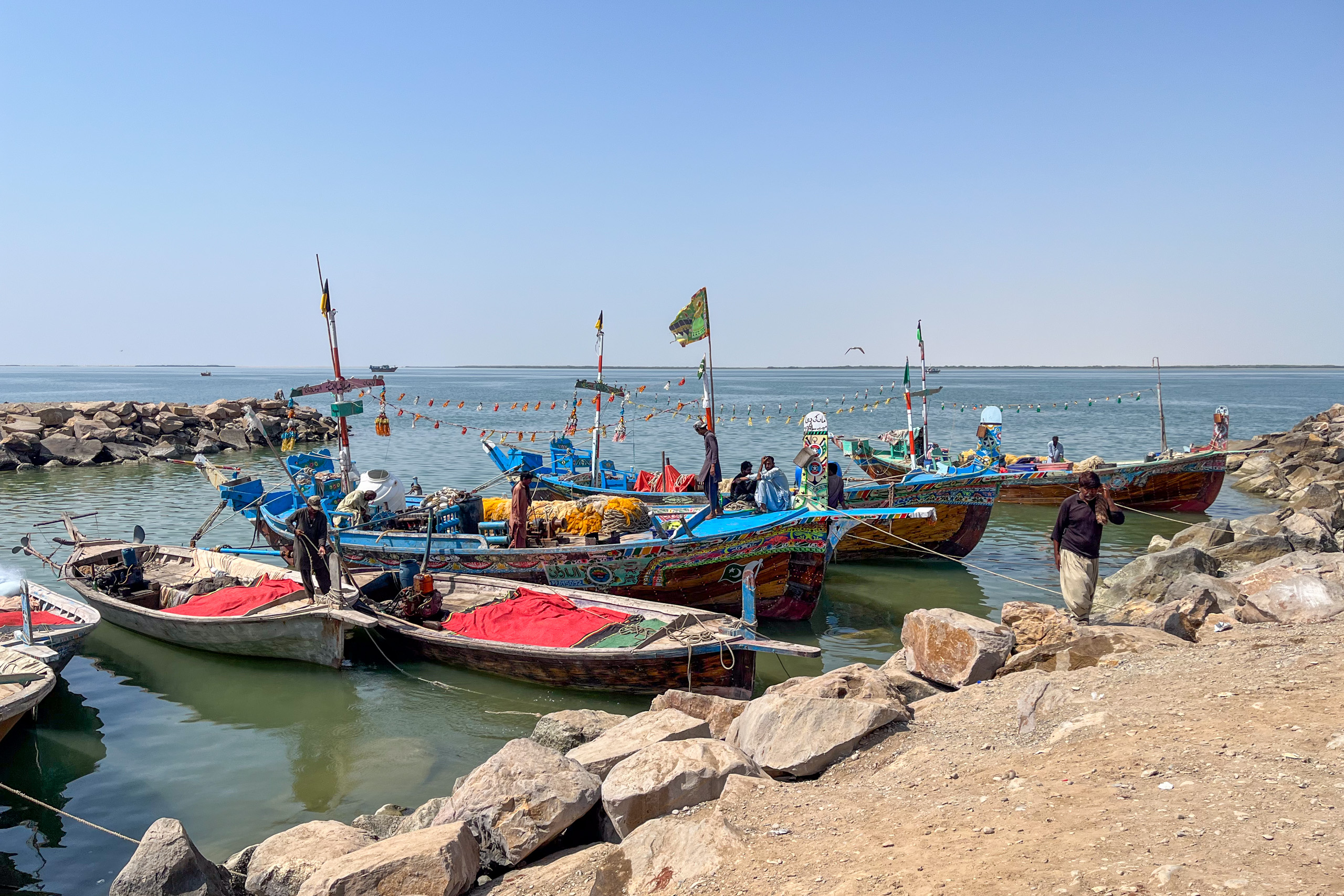
Once the national coordinating body has made a decision, the relevant provincial government issues a formal MPA notification document. This establishes its boundaries and protection measures, such as restrictions on fishing.
The Churna and Miani MPA notifications state the intention to protect and restore habitats, biodiversity and ecological processes impacted by human activities. They establish restrictions on taking endangered species including corals, marine mammals and whale sharks. They ban explosives, chemicals, scuba guns and spear guns. And they make prior permission a requisite for sports including scuba diving and power boating.
However, some say these protections are often not implemented.
Astola Island: Tourism and trawling
The isolated island of Astola, approximately 25 km off Pakistan’s coast in the Arabian Sea, was designated an MPA in 2017 to protect biodiversity around its coast including coral species, turtles and whales.
The waters around the island also provide a livelihood for fishers from the mainland who voyage there on small boats twice a month. These fishing communities celebrated Astola’s MPA designation at the time.
“We were overjoyed with the prospect that the government would finally intervene to halt the activities that over the years diminished our catch,” recalls Abdul Ghafoor, a Pasni-based fisher. Ghafoor hoped the MPA designation would lead to a clampdown on tourist camps, discarded fishing nets, and the trawlers in the area that damage the ecosystem.
For Ghafoor, disillusionment has since set in: “I have not seen any action to protect the island. The ghost nets and plastics are still there. Tourists and trawlers come and destroy the habitat, leaving little to no catch for us.”
The Astola MPA notification did not explicitly ban trawling though it did ban tents and restrict many tourist activities. A management plan for the MPA was officially endorsed by the government of Balochistan in April 2025 but local people and NGO representatives say nothing has been implemented, nor have any enforcement officers been hired.
Churna: Endangered by oil
Proposed in 2019, the Churna Island MPA was established last year, primarily to safeguard local corals and fish. These were being threatened by over-tourism, the development of an enormous oil refinery nearby, and the placement of large buoys for crude oil tankers.
Protecting the island has been a difficult sell as it holds significant commercial value for the oil and tourism industries, and also therefore for local politicians.
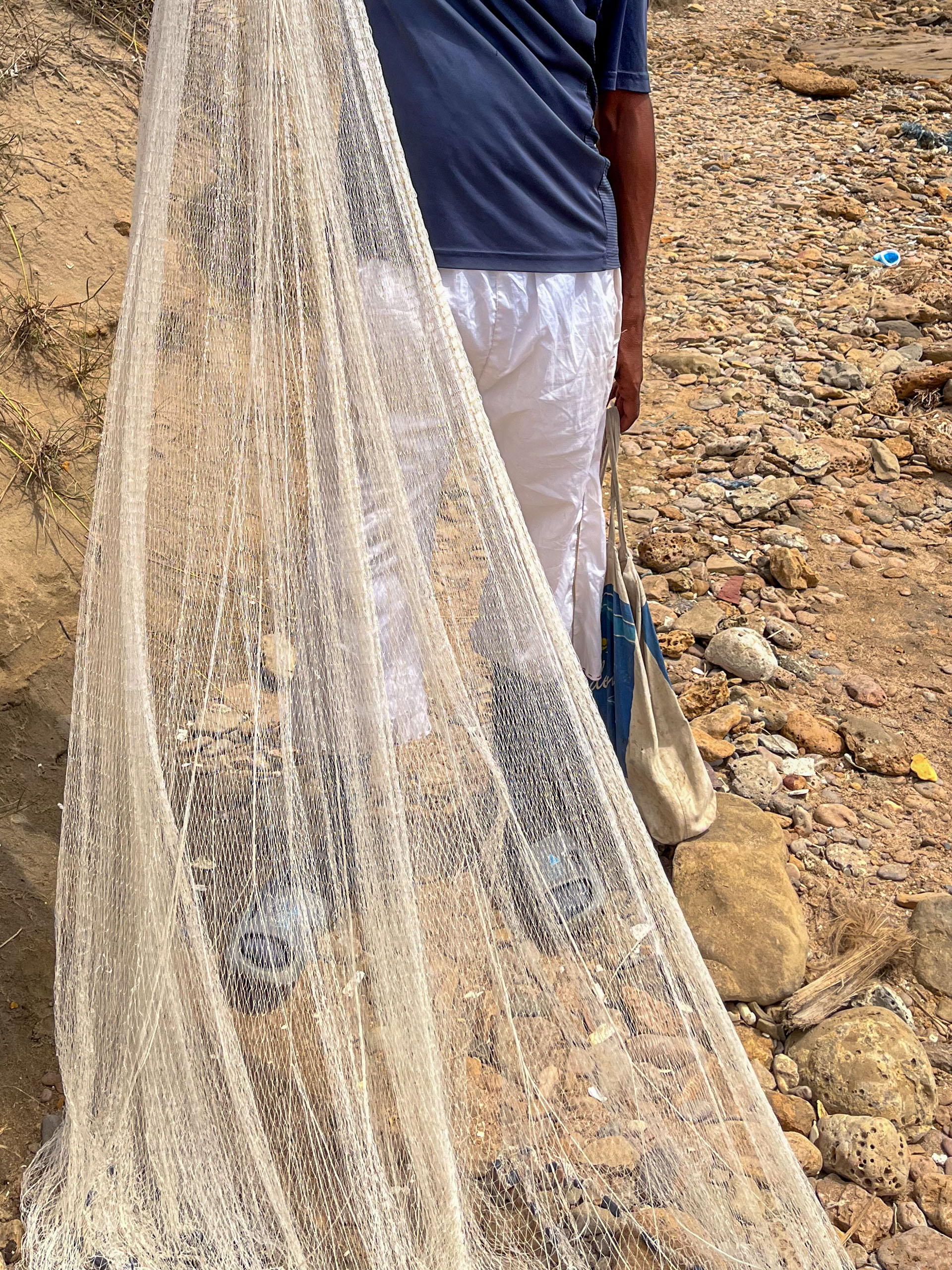
“There were a lot of powerful forces that created roadblocks. They did not want this island to become an MPA,” claims Shrifuddin Baloch, chief conservator of wildlife at the Balochistan Forest and Wildlife Department.
Churna eventually became an MPA in large part due to Baloch’s relentless efforts, the assistance of other activists and NGOs and positive media coverage.
In the year since the designation, however, many local people have not noticed any changes.
“I heard about some protection being given to Churna when I went to the city for some work, but what it is and means, nobody in the village including me knows,” claims Sarfaraz Ali, the elected local government representative for Churna.
Trawling, electric fishing and tourists damaging corals are all still regular occurrences, he says, with no officials trying to stop them.
Miani Hor: Pakistan’s latest ‘protected’ area
Similar stories are heard around Miani Hor. The largest lagoon in the country, it was selected for its rich marine life, which includes hundreds of species of fish, birds, mammals and invertebrates.
“People have no information about the site being declared an MPA. [The] few of those who do, have no understanding of what it means,” says Khalil Ronjha, a social activist who lives in the lagoon.
Officials cite a lack of funding as the main reason for delays: “Environment departments are least prioritised and receive budgetary scraps,” says Abdul Fateh Bhanger, director general secretary of the Balochistan Wildlife and Forest Department.
His colleague Baloch voices similar thoughts: “Enforcing the regulations requires personnel who can stay on the ground to monitor the areas and boats big enough to accommodate them, both of which the department does not have, nor the funds to acquire.”
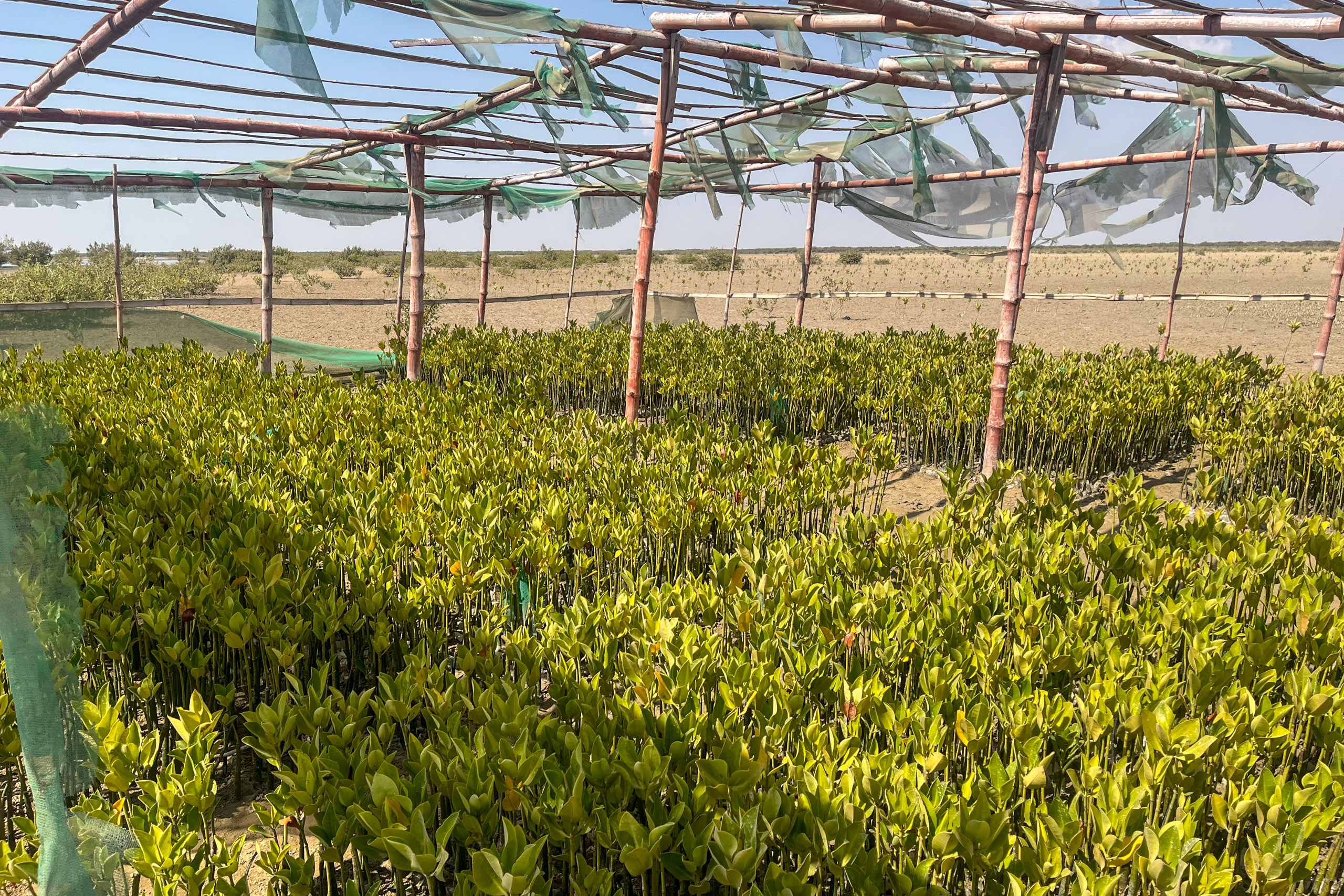
Baloch emphasises that the department is relatively young. Established in 2021, it already oversees a network that includes four national parks, two wildlife sanctuaries, three marine protected areas, seven reserves and eight community-based conservancies. It is also responsible for controlling migratory-bird poaching.
The former director general of the Wildlife and Forest Department, Dostain Jamaldini, who oversaw Astola’s management plan and the creation of the Churna Island MPA, disputes money being the problem: “Resources exist, but effective leadership doesn’t.”
Enforcement without delay
Pakistan has protected 19.21% of its terrestrial areas and inland waters, according to the database Protected Planet, in marked contrast to its current level of marine protection.
Moriani tells Dialogue Earth the federal government is collaborating with provincial governments and international NGOs to establish more MPAs, with feasibility studies being carried out in Sindh.
She adds that the potential of other effective area-based conservation measures (OECMs) is also being explored. These areas are not dedicated to biodiversity safeguarding but still provide meaningful protection, such as sacred sites and private beaches.
As the government considers its options for reaching the 30×30 goal, the clock is ticking. With such a tiny fraction of its marine territory currently protected, Pakistan is sailing towards the Kunming-Montreal deadline almost empty-handed.
This story was produced with support from Internews’ Earth Journalism Network.