Around the world, millions of small-scale fishers work to protect the coastlines on which they depend. They patrol locally managed marine areas, monitor fish stocks, and restore reefs and mangroves for use by their communities, safeguarding them for their children and grandchildren.
The UN’s Convention on Biological Diversity recognises the important role of Indigenous peoples and local communities in conserving marine and coastal ecosystems. And such efforts – often supported by governments and civil society – are frequently hailed as a global model for sustainable ocean management.
But there is a contradiction at the heart of marine conservation. Despite communities’ rights to access, use and manage coastal resources being increasingly recognised as vital to conservation, their right to land – to live in their villages – is too often overlooked.
Insecure land rights leave communities vulnerable to eviction when government priorities change or when private companies claim areas they have historically used.
This is not merely theoretical. Coastal communities that have fished for generations are being pushed off their land in the name of development. They are making way for holiday homes, hotels, ports, aquaculture, resource extraction and even conservation.
In the United Kingdom, holiday homes threaten fishers’ way of life. In the south of the Mexican state of Sonora, the conversion of communal lands into shrimp aquaculture sites has undermined communal land holdings. In the Philippines, fishing villages with weak land tenure were subject to attempts at tourism-driven eviction. In Cambodia, fishing communities have been evicted in land grabs. In Indonesia, Indigenous peoples feel sidelined in conservation law. In India, many coastal fish drying and landing areas are legally insecure despite longstanding use. And in Senegal, communities are feeling threatened by a natural gas project.
Communities that don’t see a future don’t conserve resources
Guidance from the UN Food and Agricultural Organization on sustaining small scale fisheries and responsible governance of tenure emphasises community rights. But customary community tenure is often not recognised in practice, rendering coastal communities vulnerable to relocation without procedural rights or access to remedy. Where tenure regulations exist, they are often inadequately implemented. This tenure insecurity undermines sustainability: communities that don’t see a future don’t conserve resources.
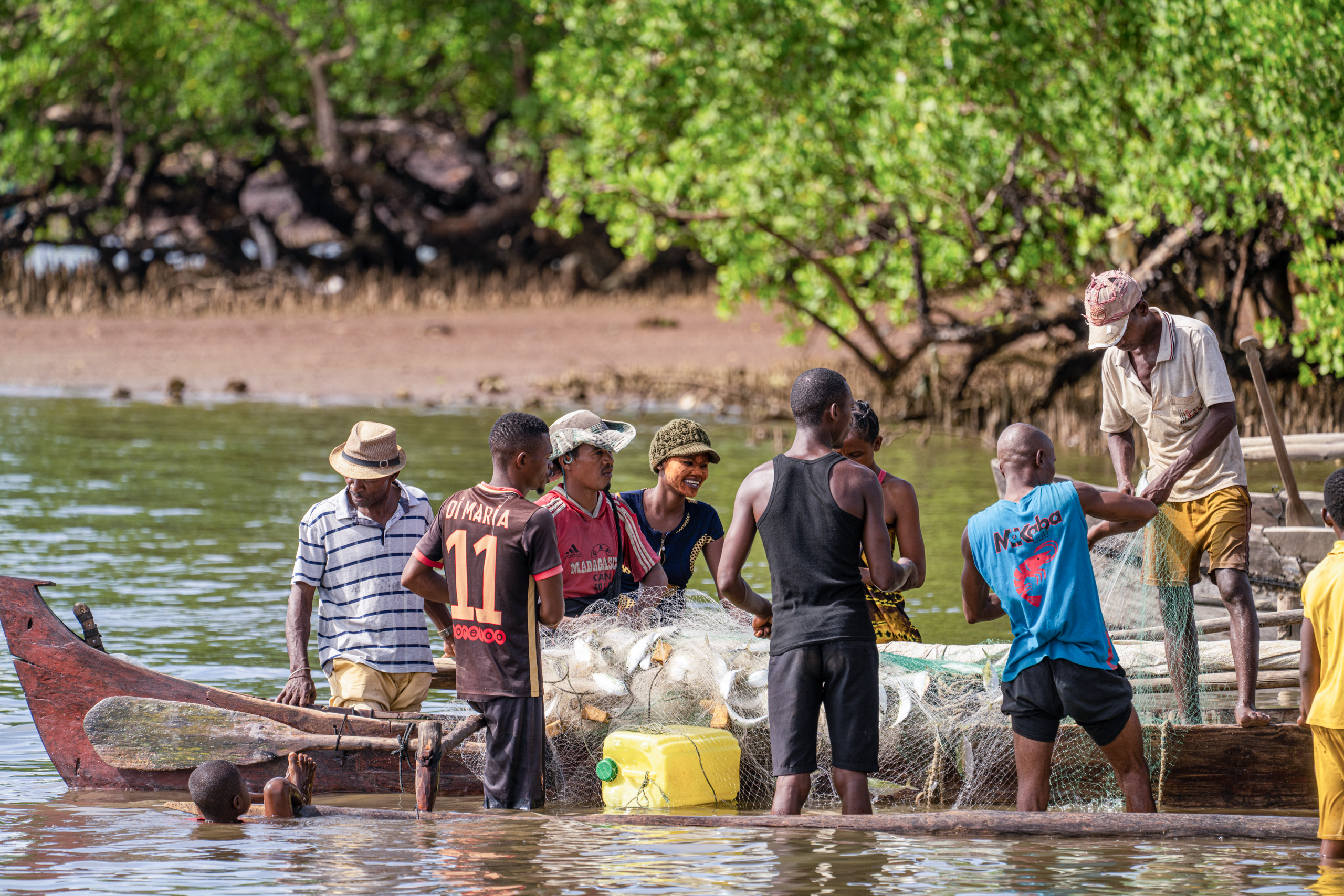
Government commitments to conservation through locally managed marine areas and community-based fisheries management are essential to sustaining marine ecosystems, livelihoods and achieving the globally agreed target to protect 30% of the ocean by 2030. But governments must avoid the trap of “paper parks” – areas designated as protected without meaningful protection. Meaningful protection requires real involvement of Indigenous peoples and local communities. And without secure tenure, the “community” in community-based management ceases to exist.
The missing foundation of marine conservation
This challenge is at the heart of my work as the global head of secure rights for Blue Ventures Conservation, an NGO that fights for the rights of ocean communities through funding, training and learning, advocacy work and gathering community-owned data. We view secure marine and land tenures as enabling rights for community-based fisheries management.
Blue Ventures’ secure rights guidance highlights this: community-based management can only endure when marine and land tenures are both secure. Access and management rights to fishing grounds are fragile if the communities themselves have no safe, permanent place to live, launch their boats, or access the sea.
Governments are under pressure to grow economies, expand tourism and increase blue economy investments. In many cases, this means they are unable or unwilling to ensure they respect the rights of communities. But inadequately regulated economic development displaces fishing communities and undermines sustainable conservation.
Governments and private actors must treat secure tenure – both land and marine – as the foundation of community-based management, not an afterthought
Until recently, many remote communities could rely on customary tenure because no one wanted their land. Development and population growth mean these lands and resources are now more valuable. Customary tenure is too frequently being brushed aside in the name of economic development, leaving people to migrate and fend for themselves.
This isn’t just a social issue. Forced evictions – when people are removed against their will from the land they occupy, without appropriate forms of legal protection – are usually against national laws and are always a violation of international human rights.
Development without displacement
Communities have the right to meaningful, inclusive and continuous consultation before, during and after decisions that affect them are made. This must go beyond one-off meetings. It must ensure that fishers – women and men – have a real voice in decisions that determine their future.
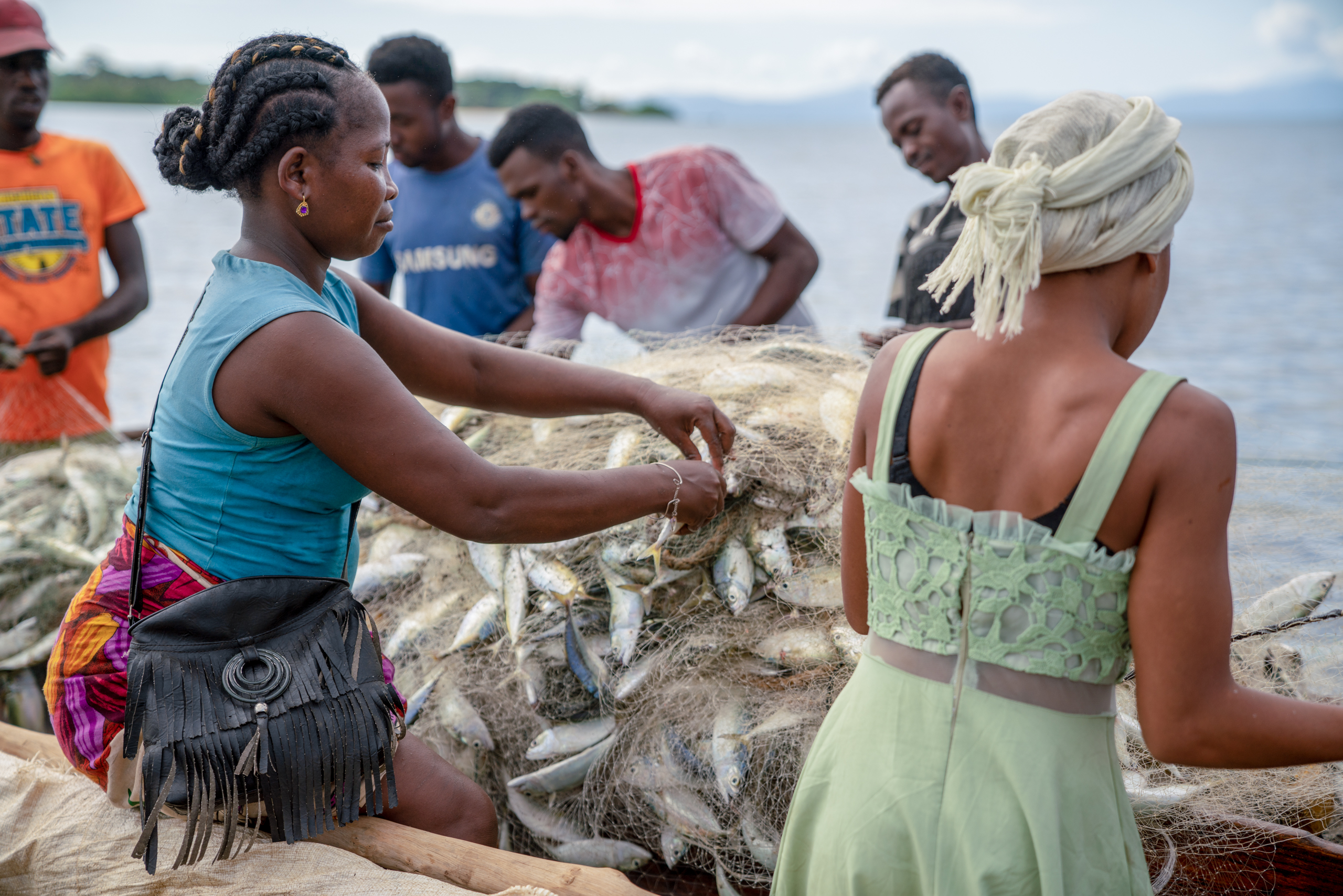
No conservation or development initiative is legitimate without meaningful stakeholder consultation and the free, prior and informed consent of affected communities. This is made clear in international standards, from the UN Declaration on the Rights of Indigenous Peoples to the UN Food and Agricultural Organization’s Voluntary Guidelines on the Responsible Governance of Tenure – and its guidelines on sustainable small-scale fisheries.
Coastal residents must have legal recognition of their homes and their customary land, as well as adequate information and the right to participate in decisions that affect them. Above all, they need access to effective remedies when their rights are negatively impacted. Failing to respect, protect and fulfil these rights in development or conservation projects risks forced evictions and other serious rights abuses.
Global experience offers clear examples of law and policy that protect coastal community land rights. The Philippines designates fisherfolk settlements as legally protected coastal zones; Fiji and Madagascar recognise customary land-sea tenure systems; and South Africa’s Coastal Management Act prevents shoreline privatisation. These models show that secure coastal land rights are not only possible, but essential for sustainable ocean governance.
Meaningful consultation is also essential to sustainable conservation, which requires more than well-managed reefs and mangroves. It requires buy-in by local communities. Most coastal communities are not against development and conservation; they just want to enjoy the benefits of these initiatives and not be made worse off by top-down, unaccountable policy implementation.
Governments can pass and implement environmental impact assessment regulation that ensures meaningful participation for affected communities, access to information and remedy. Kenya’s 2016 Climate Change Act, for example, provides for public participation that impacts decision-making. Law and policy like this, if implemented in good faith, can make a big difference.
The way forward
The solution is not complicated. States have a duty to protect rights, and private actors such as businesses and conservation organisations have responsibilities to respect them. Governments and private actors must treat secure tenure – both land and marine – as the foundation of community-based management, not an afterthought. NGOs should only support and work within schemes that respect these rights and help communities to advocate for their enjoyment.
Blue Ventures supports communities to engage with governments to recognise their customary land rights and ensure they cannot be evicted without procedural safeguards and access to remedy. We support governments to embed tenure safeguards into every policy related to development, marine conservation or the blue economy. Meanwhile, we are supporting local partners to measure and document meaningful consultation processes, ensuring that communities genuinely shape decisions about the coastal resources they conserve and depend on.
Secure land rights are not a barrier to conservation. They are enabling rights, which ensure community-based fisheries management is sustainable. They allow people to manage resources for the future. Marine conservation therefore begins on land – with communities that know they can stay.
Daniel Aguirre writes here in a personal capacity. The views and opinions expressed in this article are his and do not necessarily reflect the positions, strategies, or policies of Blue Ventures or any of its partners or affiliates.