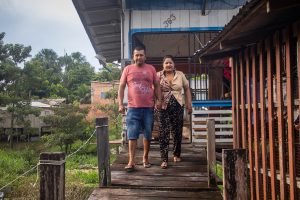
In late April 2018, about 40 nautical miles off Paramaribo, Suriname, what started as a routine day of fishing for 20 mostly Guyanese commercial fishers turned into a massacre.
A group of armed Surinamese pirates attacked their four vessels. The fishers were brutally beaten. Some were chopped with machetes. Others were burned with hot oil. All were forced overboard, some with heavy car batteries and other objects tied to their legs. The perpetrators fled with the fishers’ vessels, equipment and catch.
Only five survived. While three bodies were eventually recovered, twelve remain missing and are presumed dead. The attack sent a wave of fear through nearby fishing communities.
Prevailing assumptions about maritime piracy are often based on dramatic tales of high-seas hijackings of large commercial vessels. Our research has uncovered a different reality – one in which piracy often strikes closer to shore and disproportionately affects small-scale fishers, like those targeted off Suriname. These communities, largely absent from mainstream security discussions, are emerging as frequent and vulnerable victims.
Our inspiration to dig deeper
While the economic impacts of piracy have been examined, its harms to people and coastal communities are far less studied. When we looked at Nigerian piracy we found that fishers are increasingly becoming the victims and are suffering serious consequences.

Attacks on fishers made up 14% of all reported piracy incidents worldwide between 2003 and 2023, showed our preliminary analysis on the harms of piracy, as part of a project funded by Research Foundation – Flanders (Fonds Wetenschappelijk Onderzoek). While 14% may sound small, it is striking given the data was sourced from organisations that primarily track threats against commercial shipping: the International Maritime Bureau (IMB) and the US National Geospatial-Intelligence Agency (NGA).
Knowing that piracy often goes unreported, we had a hunch these numbers were just the tip of the iceberg. We decided to dig deeper.
However, our investigation hit two major roadblocks early on. First, there’s no consistent data tracking piracy incidents where fishers are the victims. Second, while some studies explore the link between fishing and piracy, most focus on why fishers become perpetrators, not victims. Except for a few studies in the Gulf of Guinea, Bangladesh and Southeast Asia, the experiences of fishers as victims have largely been overlooked.
Exposing the underreporting of attacks against fishers
To overcome these roadblocks, we combined the data from our preliminary work with incidents sourced from press reports for 2019 to 2023. Our results have recently been published in the journal Fish and Fisheries. During this period, 251 piracy incidents were identified globally in which 701 fishing vessels were targeted. Another 472 press reports identified piracy outbreaks targeting fishers without referencing specific incidents. One report noted 850 attacks on small-scale fishers off Atacames and Esmeraldas, Ecuador, between 2017 and 2021.
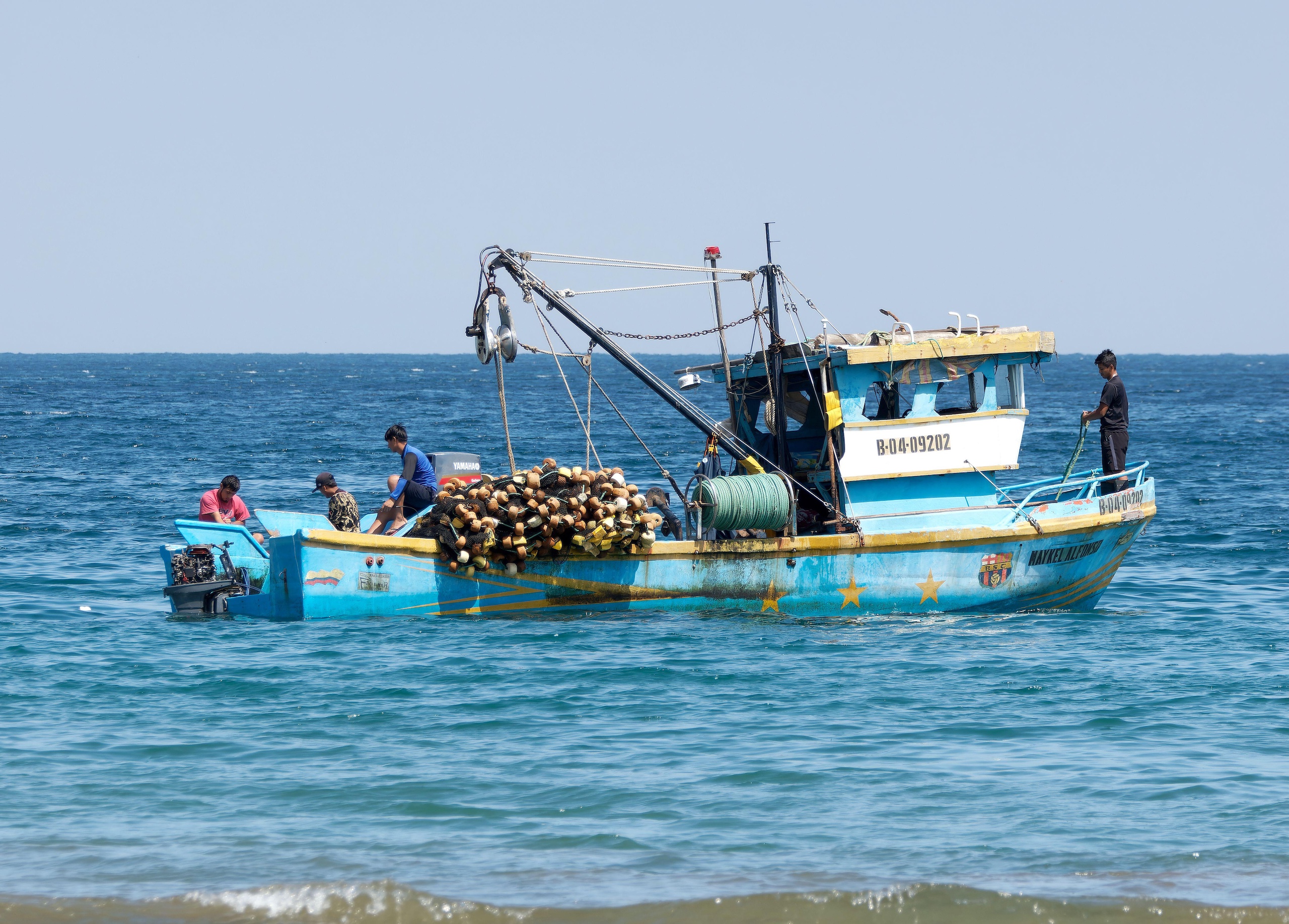
Of the 251 cases we identified, 201 were reported only by the press, while 27 appeared solely in incident reports from the IMB and the NGA. Twenty-three incidents were documented in both sources.
So piracy attacks on fishers appear to happen far more often than official reports suggest. And our numbers also likely underestimate the true scale of the problem (for example, because we only looked at English-language press reports).
Far-reaching consequences for victims and their communities
Our work confirms earlier case studies and shows that fishers – particularly small-scale fishers – suffer serious, direct harms from piracy.
Violence was prevalent in over half of the reported incidents, impacting 1,053 fishers. Twenty-seven incidents resulted in 66 fatalities, while 114 individuals were thrown overboard in 11 additional cases and are presumed dead. Physical assaults were reported in 64 further incidents, with over half classified as severe, involving gunfire, beatings or attacks with knives and machetes. Those who survived attacks suffered property losses, which were reported in 78% of incidents. Commonly stolen items included fish, outboard engines, fishing gear, navigation and communication equipment, mobile phones and personal belongings. In 37 incidents, entire vessels were taken. For small-scale fishers, losing equipment or vessels is devastating, as these are their main sources of livelihood.
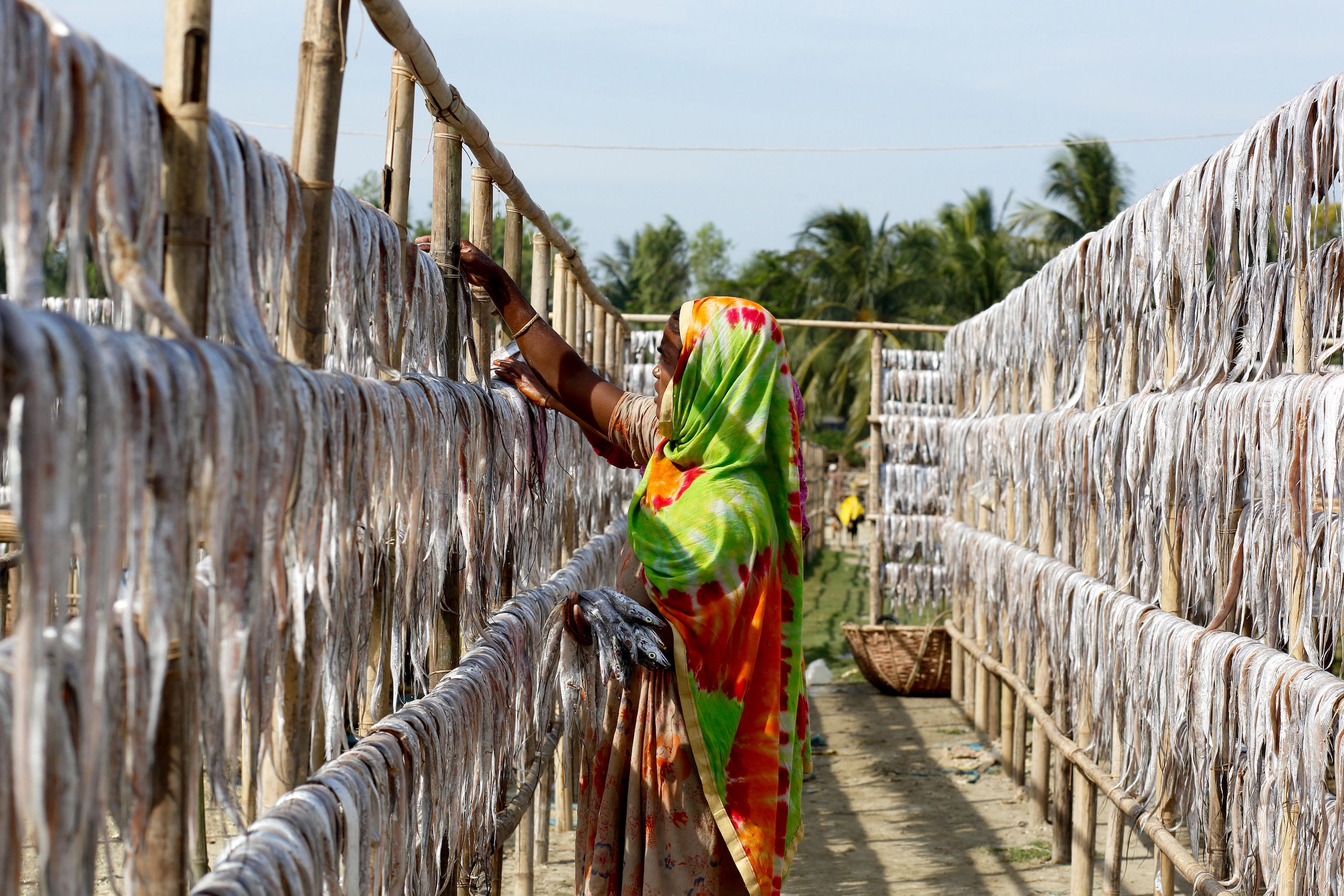
Beyond the direct individual victims, piracy threatens the social and economic sustainability of communities that rely on small-scale capture fisheries and related activities like fish processing, gear manufacturing and repair, and market sales. Small-scale fisheries account for more than half of the world’s fish catch, primarily for local markets. These attacks, consequently, endanger food security, especially in Global South countries where seafood is a crucial source of nutrition.
What can be done to protect fishers?
The dominant narrative around piracy, focussed on harms to global shipping and other big business, prioritises commercial interests over human lives and highlights global economic disparities.
Urgent action is needed to change this, as attacks on fishers persist across many regions, with the human cost rising, especially in the Global South.
Improved data collection and further research are essential to develop a more comprehensive understanding of this issue. In regions where fishers are known to be targeted, governments and/or local academics could conduct in-depth case studies – as they would be better positioned to access law enforcement and other official data sources.
With improved data, systematic and empirical assessments of the harms of piracy – whether at the local, regional or global level – could become more feasible.
Using already available assessment tools, governments and researchers could identify, evaluate, rank and prioritise the harms associated with piracy against fishers. This would provide a robust evidence base to support policymakers in setting priorities and selecting the most appropriate interventions. Our earlier work on Nigerian piracy shows this is possible. While it may sound pessimistic, the reality is that piracy – like most crimes – is likely to persist. What we can do is target and try to reduce the most serious harms.

Until the issue is better understood, interim measures to protect those most at risk are needed. Since most attacks take place in territorial and internal water, we need to acknowledge that piracy is a local problem – one that requires a local response. Authorities must establish secure and inclusive mechanisms that encourage fishers to report all events, irrespective of severity, while addressing barriers such as fear of retaliation and distrust in government institutions. Increased proactive patrols and rigorous investigations of reported incidents is essential to signal governmental commitment to addressing piracy and to reduce the culture of impunity among perpetrators.
When governments are unwilling or unable to act, civil society and the private sector can play a crucial role. Informal reporting systems could be established by existing fishing cooperatives or NGOs supporting the sector. At a minimum, such systems would encourage fishers to report incidents or suspected pirate activity, even anonymously, allowing information and warnings to be shared with others in the community. This would help fishers make safer, more informed decisions about when and where to fish.
We need to acknowledge that piracy is a local problem that requires a local response
Inspiration could be taken from initiatives like the Caribbean Safety and Security Net (CSSN), a non-profit representing the Caribbean yachting community. CSSN allows affected yachters to submit reports through its website and issues warnings to help other yachters plan safer routes.
For small-scale fishers, the sea is already full of risks – extreme weather, uncertain catches, declining stocks, exploitation and economic pressure. Piracy and other forms of predation should not be among them.
Our findings make clear that a broader, more inclusive approach to maritime security is urgently needed – one that values all lives at sea, not just those tied to global trade. Protecting fishers means acknowledging their vulnerability, listening to their experiences, and investing in solutions tailored to the realities they face.