Since the world has begun to prioritise cleaning up ocean plastic, many alternatives to single-use consumer products have emerged: reusable shopping bags, metal coffee mugs and bottles, and biodegradable forms of packaging.
While these options are welcome, a major component of the problem of ocean plastic has proved more challenging to address – that of lost and abandoned fishing gear.
Lost fishing nets, known as “ghost gear”, have received less attention than other forms of plastic pollution, despite accounting for an estimated 10% of plastic entering the ocean each year, according to the UN Food and Agriculture Organization. This is equivalent to 640,000 metric tonnes per year; and is expected to reach 800,000 metric tonnes in 2018.
The true number is probably higher. Research from The Ocean Cleanup has revealed that 46% of the surface plastic in the North Pacific Gyre is comprised of ghost gear.
Some plastics are worse than others
When discussing the issue of ocean plastic, solutions typically attempt to address volume. Impact is rarely considered. That is, which types of plastic cause the greatest harm.
136,000
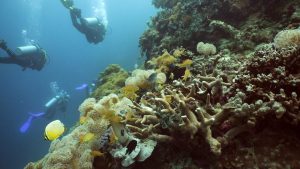
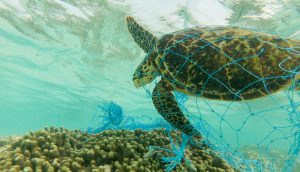
Not all ocean plastic is created equal and fishing gear, when lost, continues to do exactly what it is designed to do: trap and kill ocean wildlife. This includes fish, sea turtles, seabirds, and marine mammals such as whales, dolphins, seals and sea lions. A single lost net can easily smother a coral reef, destroying an entire ecosystem. Ghost gear presents a hazard to biodiversity, food security, fisher livelihoods, conservation and ocean health.
The impacts of this destruction are difficult to measure.
Ghost gear causes the loss of commercially valuable fish stocks; a fish lost to ghost gear is a fish that will never breed, be sold or eaten. This adds to the impacts of illegal and overfishing.
In the Baltic Sea, a single lost gillnet can destroy US$20,000 worth of seafood. Ghost fishing costs the United Kingdom’s fishing sector €420,000 on average a year (based on lost catch, gear replacement and lost time spent resetting gear).
In Chesapeake Bay, an estuary in the US states of Maryland and Virginia, the retrieval of 32,000 lost crab pots (containing 1.25 million blue crabs) represents a loss of income of US$400,000 to fisheries a year.
While in Louisiana, crab fishers lose an average 250 traps annually, costing US$4 million in profits a year on average. In the Gulf of Oman, over 15,000 traps are lost every year, adding up to losses over US$2.6 million.
The impact of ghost gear on fish stocks bears a tremendous impact on food security, particularly for populations that live close to the sea and rely on it for their income.
Forty percent of the world’s population lives within 100 kilometres of the coast, and 10% depend on fisheries for their livelihoods. Poor populations are hit the hardest, as smaller harvests mean increased prices that they cannot afford.
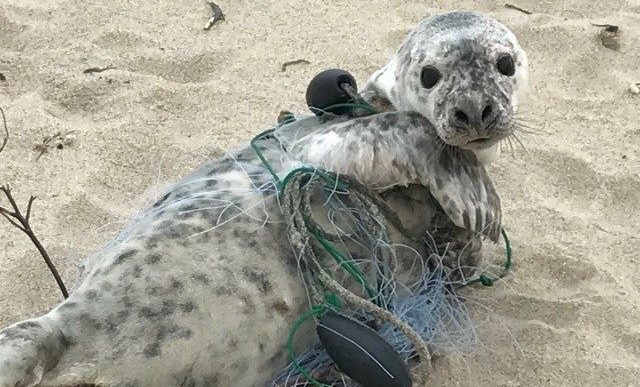
In addition to the economic losses to fishermen and destabilised food supplies, ghost gear poses a significant threat to wider ocean wildlife. An estimated 136,000 whales, dolphins, seals and sea lions die from ghost gear every year; many enduring prolonged suffering before death.
Wounds from ghost gear are horrific. They cause tremendous pain and prevent animals from feeding, mating or migrating. Once entangled in a net, an animal is unlikely to ever be freed.
Using biodegradable materials for fishing gear is a good idea in principle, but difficult to promote in practice as the durability of plastic is what makes it so attractive to the industry. Plastic lines can better withstand bad weather and rocky surfaces than ropes and nets made of organic fibre.
It is extremely expensive to replace gear, not to mention time consuming. Many technological alternatives, such as remote controlled buoys, which eliminate the dangerous vertical lines prone to entangling large whales, are still too expensive to attract widespread use.
Governments have plenty of options
One path for addressing the myriad impacts of ghost gear is via the United Nations Sustainable Development Goals (SDGs). The SDGs have already established global goals to protect food security, clean water, marine debris, recycling and biodiversity. UN member states can address ghost gear within the national action plans they have already committed to on these issues.
A major step was taken this July, when the FAO Committee on Fisheries passed technical guidelines on the marking of fishing gear, which calls for all forms of gear to be identified by the fishery.
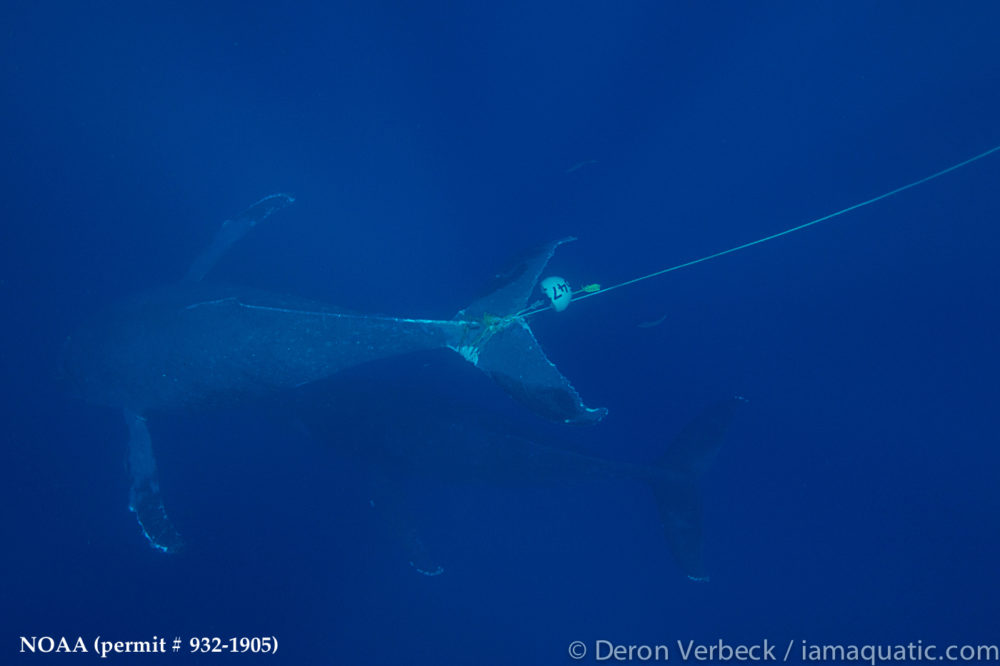
However, these guidelines are voluntary. Governments that are serious about addressing ocean plastic – and the harmful effects of ghost gear, in particular – should make these technical guidelines mandatory throughout their fishing sector, and take steps to require enforcement.
This would not only result in loss prevention by responsible fisheries, it would also help stop illegal fishing (IUU), which accounts for intentionally discarded gear (typically abandoned at sea to avoid detection). IUU fishing costs the global economy US$20 billion annually. Marked gear would help authorities track illegal fishing activity and bring criminals to justice.
Governments can also follow the example of countries like Panama, which joined with the Global Ghost Gear Initiative (GGGI) to host an eight-country regional workshop on dive removal for ghost gear, creating a transboundary regional network across Central America and the Caribbean. This network works together to establish data and reporting systems to proactively recover lost gear.
The seafood industry can also play a part. Passing laws and regulations is often a slow process but the private sector could quickly adopt gear management policies, such as the Best Practice Framework put forth by the Global Ghost Gear Initiative, to require standards of gear management throughout their supply chain. Large corporate buyers of seafood could also demand more of their suppliers.
Additional assistance can come from consumers. Certifiers can include gear management in their requirements for awarding sustainable seafood labels to seafood companies, allowing the general public an opportunity to declare a preference for ghost gear-free seafood.
Perhaps the most accessible means of preventing ghost gear is by supporting the recycling industry. Hundreds of products featuring recycled ocean plastic are already commercially available and have found an eager consumer base. Developing the logistics required to boost this sector will turn ghost gear from debris into a valuable commodity, inspiring recovering efforts.
The suffering and death of hundreds of thousands of marine mammals, birds, and sea turtles; the loss of fish stocks; the wellbeing of fisher livelihoods; and the health of our oceans rests on taking decisive action to address ghost fishing gear. There are multiple tools at our disposal, if only we had the will to put them into place.