Water

Ten articles you should have read on The Third Pole in 2016

A look back at some of our most popular articles and defining events of the past year

1. Jolted into action by oil spills, Bangladesh activates five-year old regional cooperation agreement

Bangladesh signed a regional cooperation agreement in 2010 but recent disasters have only now gotten it moving to formulate a contingency plan and receive regional cooperation

Oil spill over the Shela River [image by Arati Kumar-Rao/ Peepli.Org]

2. Fishermen to turn dolphin saviours in Bangladesh

An innovative programme in Bangladesh seeks to turn fishermen, often those whose actions most endanger dolphins, into their saviours.

Fishermen being trained on using binoculars to spot dolphins [Image by WCS Bangladesh Program]

3. The Koshi River: a journey down the lifeline of Nepal

From the high Himalayas to the plains, one of the largest tributaries of the Ganga has the power both to unleash disaster and to transform the country’s economy

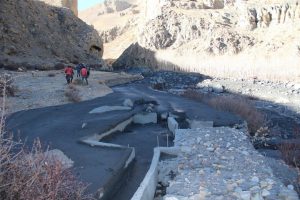
Work is yet to resume at the Upper Tamakoshi dam site after the road was destroyed by last year's earthquake. Image from Dolakha, Nepal. [All photos by Nabin Baral]
Work is yet to resume at the Upper Tamakoshi dam site after the road was destroyed by last year’s earthquake. Image from Dolakha, Nepal. [Photo Nabin Baral]

4. Seven year old sues Pakistan government over climate change

Girl claims plans to develop dirty coal deposits will exacerbate climate change and deprive future generations of the right to healthy life

Rabab Ali, with her younger brother [image courtesy Qazi Ali Athar]

5. The great Indian river trick

Putting dying rivers in India on life support by diverting water at enormous cost from other river basins wins popular support, but raises serious questions about who has the right to use this increasingly scarce resource
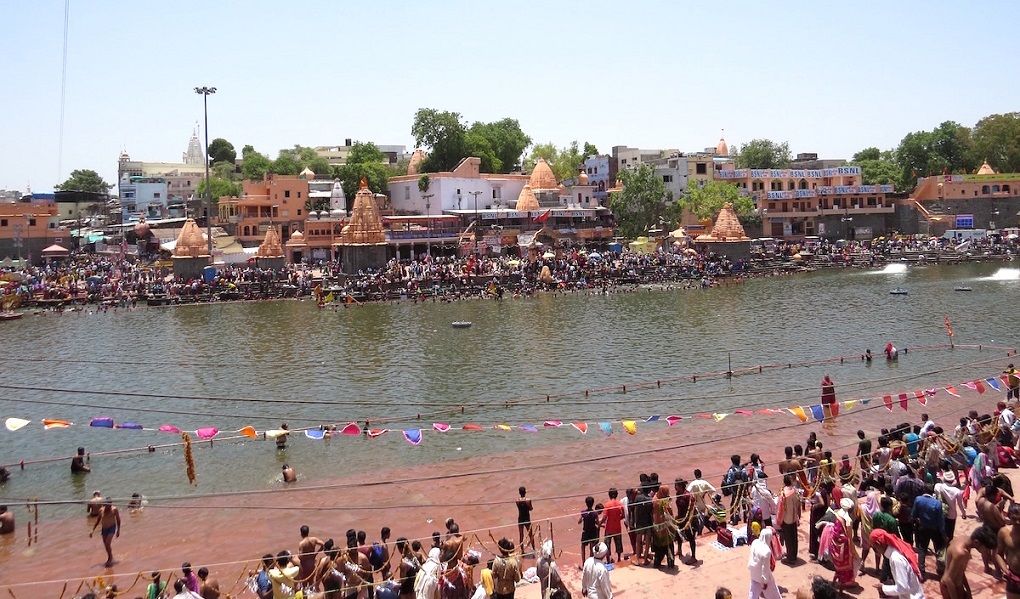
The ghats of the Shipra were fit to bursting during the Kumbh Mela.

6. South Asian women missing in climate change debates

South Asian women are underrepresented at climate change talks, despite greater women’s representation from other countries, revealing structural problems

Women farmers at a wind farm in Kutch [image by Danish Wind Industry Association / Flickr]

7. Afghanistan’s coming water crisis

Decades of conflict have left Afghanistan’s water infrastructure in a mess, and as refugees return to the country the prospect of water-related conflicts rises

Kabul city before the decades of conflict on the left, and now, on the right [image courtesy Naim Eqrar]

8. Southeast Asia’s last major undammed river in crisis

China has suspended dams upstream of the Salween but the Myanmar government is pushing ahead with Chinese backed dams downstream, despite environmental costs
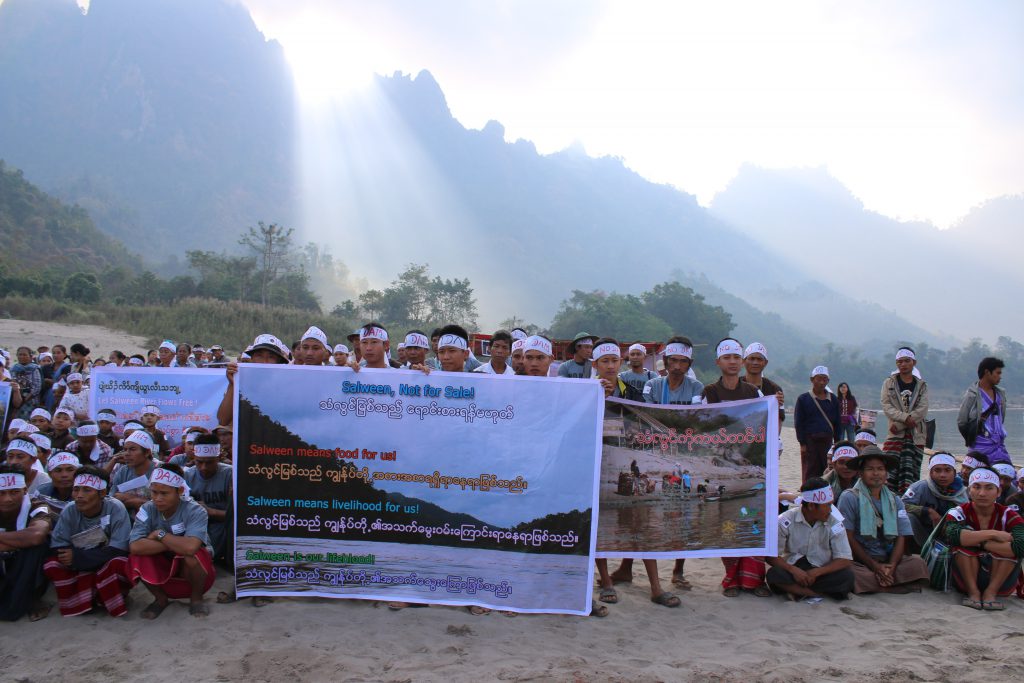
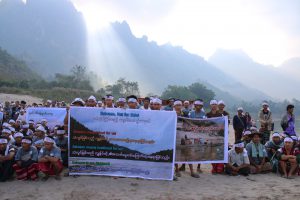
Ethnic groups along the Salween support International Rivers Day to celebrate the importance of preserving the great rivers of the world (courtesy of Kesan media group)
Ethnic groups along the Salween support International Rivers Day (courtesy of Kesan media group)

9. The future of Bhutan’s hydropower

The managing director of Bhutan’s Druk Green Power Corporation, Chhewang Rinzin, talks about challenges and future of hydropower

Druk Green Power Corporation team at the Takti waterfall near Chukha project [image courtesy Chhewang Rinzin]

10. World Bank drawn into Indus Waters Treaty dispute

As tensions continued to mount between India and Pakistan throughout 2016, the World Bank, a signatory to the Indus Waters Treaty, was drawn into the dispute between the two countries.

President of the World Bank, Jim Yong Kim [image courtesy the World Bank Photo Collection]
Cookies Settings

Dialogue Earth uses cookies to provide you with the best user experience possible. Cookie information is stored in your browser. It allows us to recognise you when you return to Dialogue Earth and helps us to understand which sections of the website you find useful.

Required Cookies

Required Cookies should be enabled at all times so that we can save your preferences for cookie settings.

Dialogue Earth - Dialogue Earth is an independent organisation dedicated to promoting a common understanding of the world's urgent environmental challenges. Read our privacy policy.

Cloudflare - Cloudflare is a service used for the purposes of increasing the security and performance of web sites and services. Read Cloudflare's privacy policy and terms of service.

Functional Cookies

Dialogue Earth uses several functional cookies to collect anonymous information such as the number of site visitors and the most popular pages. Keeping these cookies enabled helps us to improve our website.

Google Analytics - The Google Analytics cookies are used to gather anonymous information about how you use our websites. We use this information to improve our sites and report on the reach of our content. Read Google's privacy policy and terms of service.

Advertising Cookies

This website uses the following additional cookies:

Google Inc. - Google operates Google Ads, Display & Video 360, and Google Ad Manager. These services allow advertisers to plan, execute and analyze marketing programs with greater ease and efficiency, while enabling publishers to maximize their returns from online advertising. Note that you may see cookies placed by Google for advertising, including the opt out cookie, under the Google.com or DoubleClick.net domains.

Twitter - Twitter is a real-time information network that connects you to the latest stories, ideas, opinions and news about what you find interesting. Simply find the accounts you find compelling and follow the conversations.

Facebook Inc. - Facebook is an online social networking service. China Dialogue aims to help guide our readers to content that they are interested in, so they can continue to read more of what they enjoy. If you are a social media user, then we are able to do this through a pixel provided by Facebook, which allows Facebook to place cookies on your web browser. For example, when a Facebook user returns to Facebook from our site, Facebook can identify them as part of a group of China Dialogue readers, and deliver them marketing messages from us, i.e. more of our content on biodiversity. Data that can be obtained through this is limited to the URL of the pages that have been visited and the limited information a browser might pass on, such as its IP address. In addition to the cookie controls that we mentioned above, if you are a Facebook user you can opt out by following this link.

Linkedin - LinkedIn is a business- and employment-oriented social networking service that operates via websites and mobile apps.