Amid signs that the US and Iran are nearing a war-ending deal, it is time to examine the economies that the conflict effectively brought to a standstill this year.
In March 2026, when the exchange of threats and missiles choked the Strait of Hormuz, the bill landed on the doors of Dhaka, Islamabad and Colombo long before it reached Washington or Brussels.
The moment revealed itself less as a geopolitical crisis and more as unending queues for fuel in South Asia, with restaurants shuttered and households plunged into darkness by relentless load shedding.
Bangladesh, Pakistan and Sri Lanka – three countries with virtually no domestic oil reserves and no meaningful influence over global commodity prices – absorbed energy shocks for a war they did not cause. That is the nature of fossil-fuel dependence in South Asia, and it is not new. The 2008 oil price bubble and subsequent spike. The 2022 Russia‑Ukraine war in which Russia limited supplies and caused gas price shocks. These are other chapters in the same structural story.
What makes 2026 different is that alternatives now exist, they are affordable, and some of these countries have already begun deploying them. The question is whether they build on that foundation proactively before the next disruption, or patch the damage reactively again.
Pakistan, Bangladesh and Sri Lanka must now develop a sector‑by‑sector roadmap across power, transport and agriculture, grounded in what they have already demonstrated is possible, and scale these successes.
Breaking the fossil trap
The core vulnerability in the three countries is a market design that ensures every spike in global gas or oil prices is passed down to electricity consumers, regardless of how much renewable generation is on the grid.
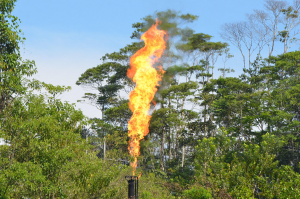
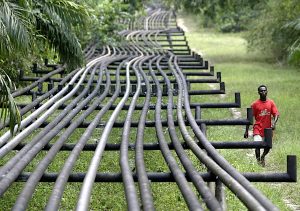
In Bangladesh, where 42% of installed capacity consists of gas, the country met 65% of its power needs through imports in fiscal year 2024-2025. In Sri Lanka, the Ceylon Electricity Board still operates on substantial oil-burning and coal-fired capacity, and fossil fuels remain among the largest categories of merchandise imports.
In Pakistan, for fiscal year 2024-2025, furnace oil and plants using imported coal mostly sat idle, with average utilisation rates of just 2% and 23% respectively. Plants using re-gasified liquefied natural gas operated at 41% capacity. Yet all power plants, regardless of fuel type, continue to collect fixed payments, driving Pakistan’s annual capacity payment burden to PKR 1.8 trillion (USD 6.58 billion), making up about 61% of total power purchase costs.
The way out of this trap is already evident. To reduce dependence on imported oil and strengthen energy security, the power sector of these three countries must pivot decisively toward renewables.
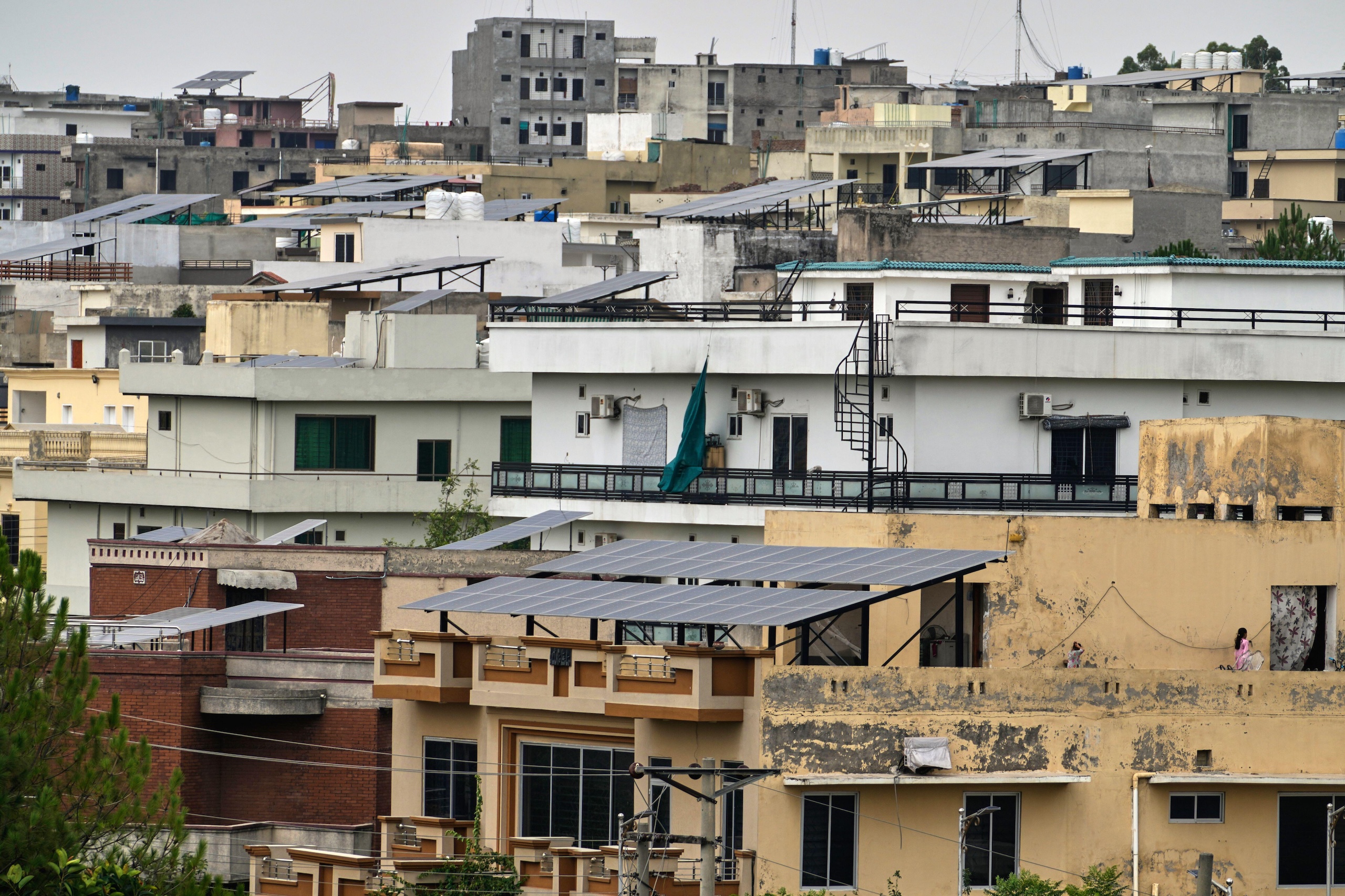
Pakistan’s solar expansion, driven by citizens installing small-scale systems, is the clearest example of potential benefits: a recent survey by think-tank Renewables First, where we work, estimates that over 38 gigawatts (GW) of distributed capacity had been added in the country by 2024-2025. Since 2020 this surge has helped cut fuel imports by an estimated USD 12 billion, providing a crucial buffer during the Southwest Asian crisis.
Sri Lanka has also shown progress, reportedly generating 72% of its electricity from renewables in June 2025, driven by hydro, rooftop solar and wind, and setting a target in 2024 of 5.8 GW of new renewable capacity by 2030. Bangladesh, however, has lagged behind, with renewables accounting for just 3.6% of installed capacity in 2025 despite a technical potential of up to 156 GW of utility‑scale solar and 150 GW of wind. The country’s 2025 Renewable Energy Policy set a target of 20% of power generation from renewables by 2030, but achieving this requires urgent acceleration.
Scaling solar and wind generation requires fast‑tracked permitting, competitive auctions, and long‑term contracts that provide investors with revenue certainty and lower upfront capital costs.
All taxes and import duties on solar, wind and storage technologies must be removed to accelerate deployment across residential, commercial and utility levels. In clean energy systems, 70-90% of costs are upfront capital, according to a report by the Energy Transitions Commission, an international think-tank.
At the same time, new fossil-fuel infrastructure must be halted to avoid locking in overcapacity, stranded assets and environmental harm, with funds redirected to expand the share of renewables in the energy mix. According to the report, the global clean energy transition requires USD 3.5 trillion of annual investment to create power and transport systems that cost the same or less to run than fossil-fuelled ones.
Formulating plans for early retirement of fossil fuel plants are essential, alongside renegotiation of onerous contracts and repurposing of coal units through technologies such as thermal energy storage.
According to their climate action plans, known as Nationally Determined Contributions, all three countries demonstrate some directional progress. Bangladesh has quantified targets to replace 95% of liquid-fuel peaking plants with cleaner alternatives by 2035. Sri Lanka put a moratorium on new coal capacity alongside its 2050 carbon neutrality goals, and Pakistan documented a 41% reduction in imported coal generation between 2021 and 2025, with a capacity phasedown planned for 2025-2035.
However, across the three countries, more needs to be done to translate these signals into comprehensive, binding retirement schedules that specify closure dates for individual plants, not just aggregate national targets. There is an immediate need to address renegotiation of power purchase agreements, retirement of baseload plans and repurposing of existing coal units – all with a stringent timeline and clearer pathway.
Grid flexibility is the most critical imperative, achieved through storage integration at station and utility levels, demand‑side management, smart grid digitalisation and upgraded transmission interconnections to reduce losses. Energy planning must also move beyond least‑cost criteria to account for climate impact and the degree to which primary resources are indigenous rather than imported.
Reducing oil demand
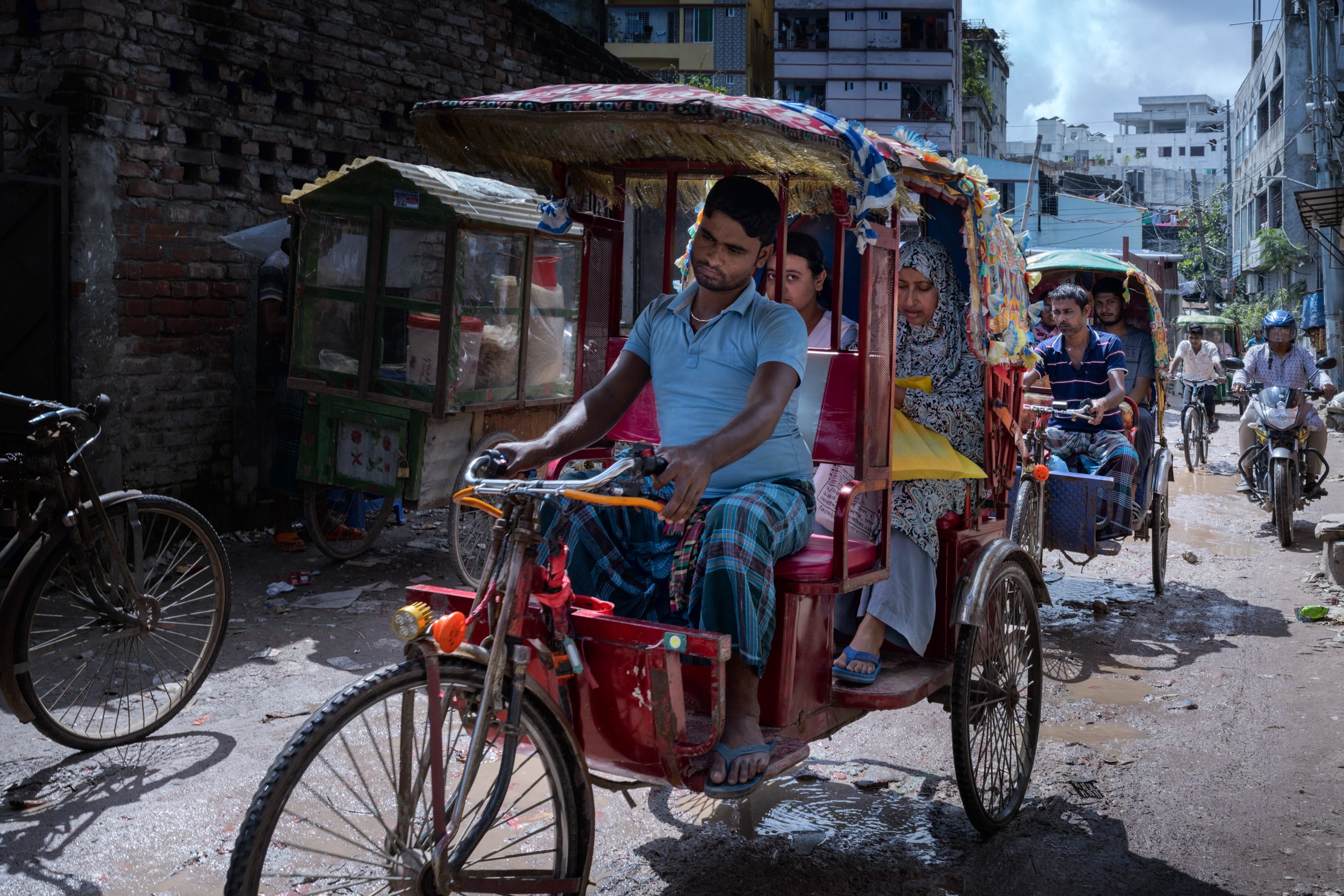
In Pakistan, Bangladesh and Sri Lanka, transport remains the largest single source of oil demand, dominated by two‑ and three‑wheelers that account for 84%, 78%, and 72% of national fleets respectively. Electrification of this segment offers the fastest pathway to cut imports, since battery costs have fallen over 90% since 2010 and electric two‑ and three‑wheelers are already cost‑competitive.
Electric vehicles could reduce global oil demand by around 5 million barrels per day by 2030, equivalent to roughly 5% of global demand, projects the International Energy Agency. While think-tank Ember estimates that fully replacing imported oil in road transport with EVs could cut oil-importing countries’ fuel bills by more than USD 600 billion annually. For South Asia, electrifying road transport is one of the largest single levers to reduce exposure to external shocks. Ringfencing taxes and levies on petrol and fossil fuels to finance electrification would create a dedicated revenue stream to fund charging infrastructure, concessional financing and fleet conversion.
Immediate steps must include reducing tariffs on imported EVs, restricting the inflow of used internal combustion engine (ICE) vehicles, and mandating electrification of government fleets to create visible early demand. Strengthening phaseout timelines for ICE vehicles is equally critical, drawing lessons from Europe’s 2035 zero-emission vehicle mandate under EU Regulation 2019/631, and Ethiopia’s 2024 ban on imported fossil fuel vehicles.
Over the longer term, governments must anchor a domestic industrial base for EVs, components and charging infrastructure through targeted fiscal and industrial incentives, ensuring the transition generates jobs and foreign exchange savings rather than trading one import dependency for another.
Supporting agriculture
Agriculture is where the stakes of energy insecurity are most profound and least discussed.
The sector contributes 24% of Pakistan’s GDP, 11.2% of Bangladesh’s GDP – while employing 38% of its population – and 7.5% of Sri Lanka’s GDP while supporting over a quarter of its labour force. In all three countries, the rural poor who depend on farming face the thinnest margins, the lowest access to credit, and the most direct exposure to diesel and fertiliser price shocks.
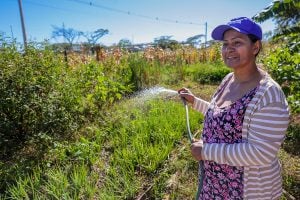
The most immediate intervention should be the solarisation of irrigation. In Pakistan, about 60% of agriculture depends on groundwater pumped by diesel or grid‑connected tube wells. The 2025 Punjab Solar Tubewell Scheme offering subsidies of up to PKR 1 million per system to convert existing diesel and electric pumps to solar drew over 530,000 applicants for just 8,000 slots.
It sought to eliminate the recurring diesel and electricity costs that are one of farmers’ largest expenses. Scaling this provincial initiative into a national programme, backed by a federal green agriculture financing window that offers low‑interest loans and government co‑financing, is the clearest opportunity.
Bangladesh faces a similar challenge. Irrigation accounts for 43% of total agricultural input costs, and the Asian Development Bank has committed USD 42.4 million to replace diesel pumps with solar irrigation systems serving more than a million farmers.
Yet deployment has slowed well below its 2019 peak, with cumulative installed capacity growing by only a few megawatts a year – a fraction of the pace set in 2019, according to SREDA’s national database.
The slowdown stems primarily from financing and implementation barriers rather than technology: high upfront equity requirements and stringent bank-guarantee conditions have limited uptake even where subsidies exist.
This shows that finance and policy follow-through, not technology, are the binding constraints.
Sri Lanka currently has no programme to systematically replace diesel irrigation pumps with solar systems at scale.
All three countries need to treat solar access for rural communities not as an environmental measure but as a financial inclusion and food security priority. This requires structured financing mechanisms that can reach small farmers and cooperatives. It is not a near‑term fix, but the groundwork must be laid now, backed by multilateral development bank finance, so that the next price shock finds these countries better prepared than this one did.
The Strait of Hormuz is now open, though not at capacity.
In time, another geo-political or armed conflict will replace this crisis, because peace, as the saying goes, is merely an interlude between two wars. Energy security, therefore, must be built from within. The cheapest barrel of oil is ultimately the one that a country never had to buy in the first place.