In April 2024, we became Dialogue Earth, uniting our four previous homes – China Dialogue, China Dialogue Ocean, The Third Pole and Diálogo Chino.
As our first full year under one roof draws to a close, we present some highlights from our mission to publish environmental journalism that builds a common understanding of global challenges and platforms local voices.
There are dozens more Dialogue Earth articles that easily could have qualified for our selection below. We encourage you to browse all of our articles if you have time.
To keep coal workers on side, China’s energy transition must be inclusive
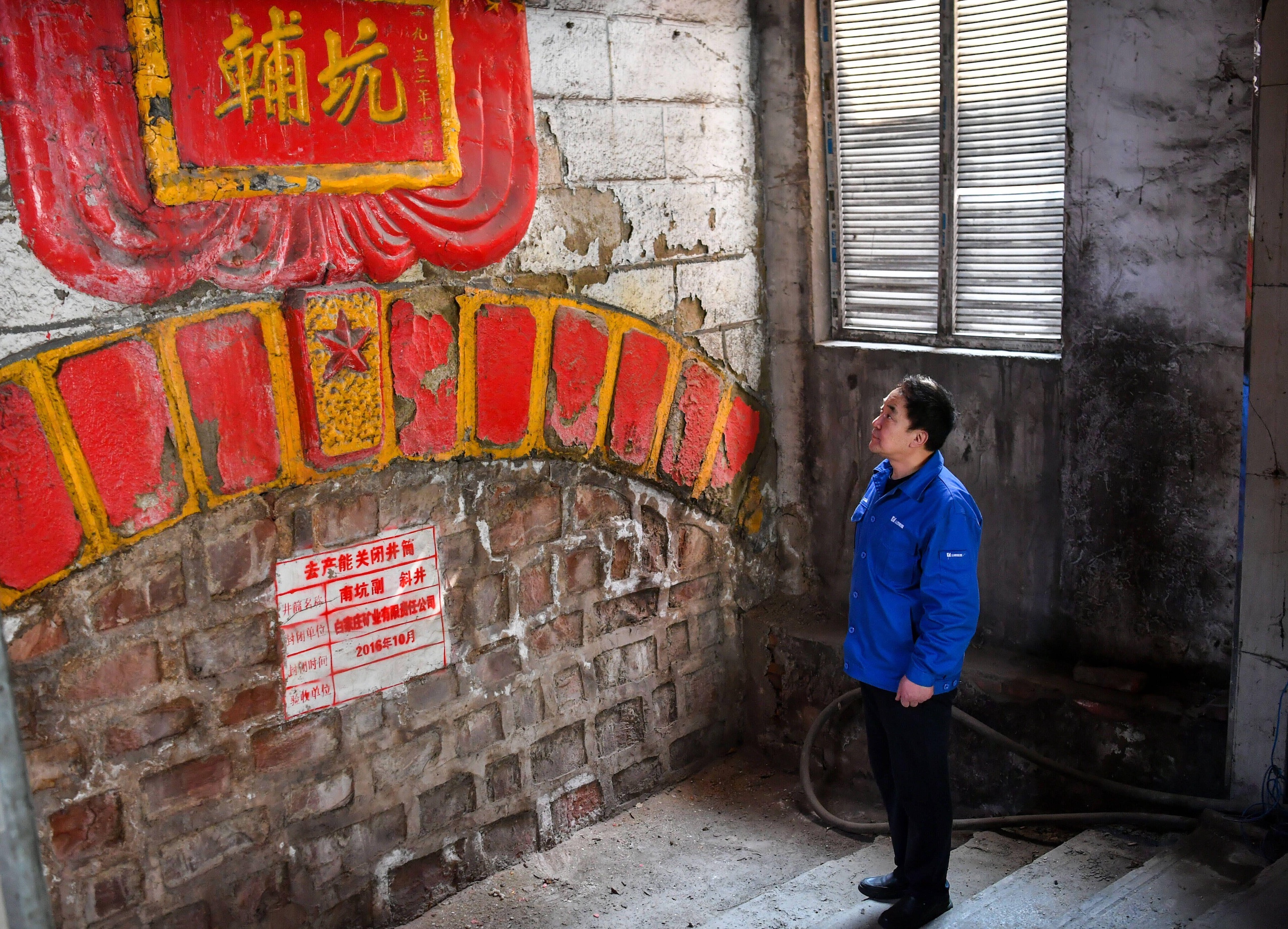
China’s shift from coal must ensure fair treatment for workers and communities, particularly in Shanxi province, according to two academics. Their survey of over 6,000 residents shows support for climate goals, but limited understanding of “peak carbon” or “carbon neutrality”. Meanwhile, workers fear job losses and skill gaps. The authors call for a just transition with transparent policies, retraining programmes, and compensation to protect livelihoods.
Malaysia’s booming songbird competition scene could silence its forests

The growing songbird trade is endangering the wild Oriental magpie‑robin, reveals Low Choon Chyuan in his article, which includes beautiful illustrations by Kabini Amin. Each year, thousands of these birds are trapped, sold and entered into contests in Malaysia. Enthusiasts pay high sums for competition-winning birds, incentivising more trapping. Weak protections and growing demand now risk silencing forests and undermining ecosystems.
Trees are natural ACs for cities, if you plant the right ones
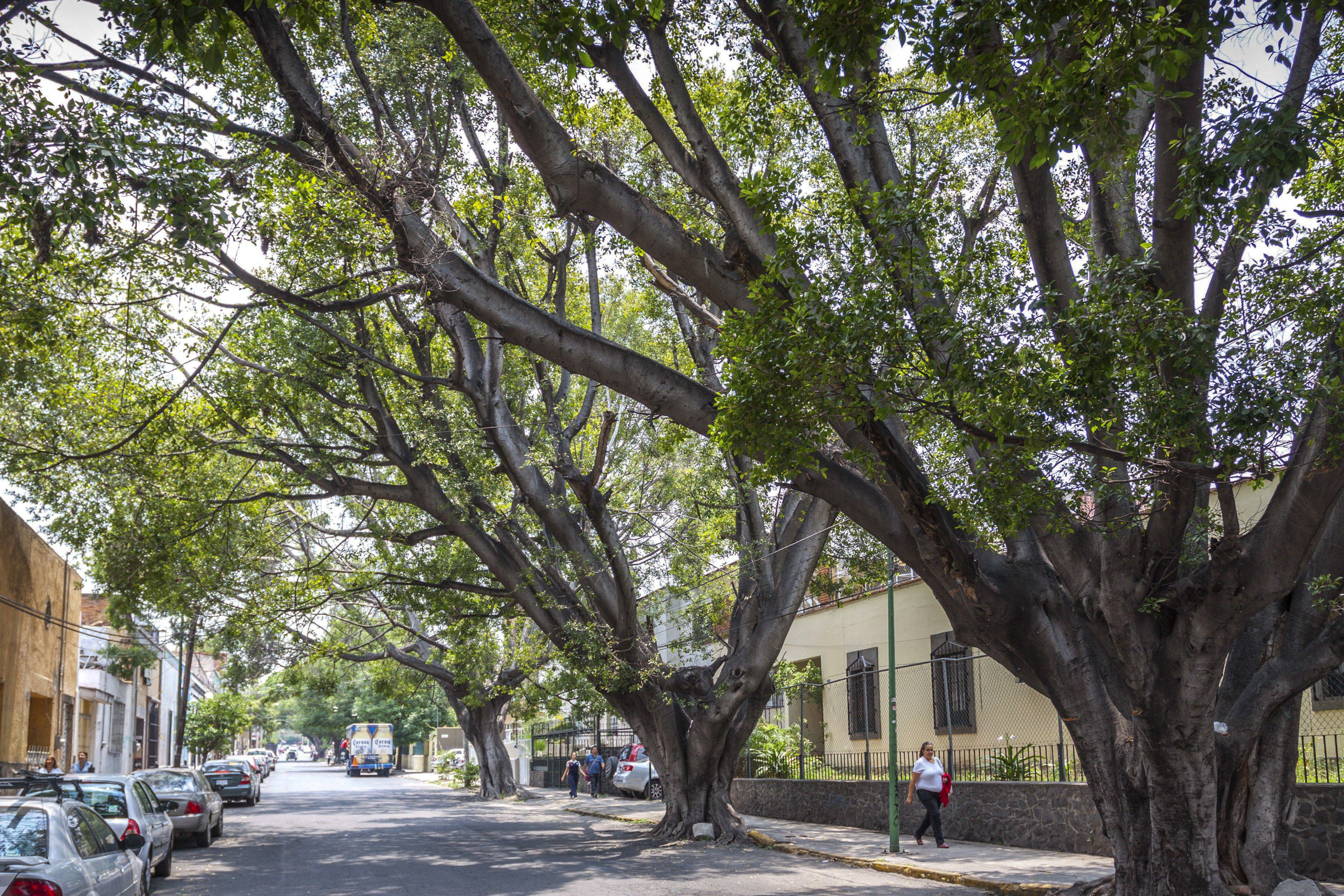
By providing shade, releasing water through leaves and improving airflow, city trees can lower peak air temperatures by up to 12C. But, as Catherine Early explained for us in October, the effect depends heavily on tree species, climate, city layout and canopy coverage. Wide coverage matters, as does planting the right trees in the right spots. Small or sparse tree cover may not deliver much cooling. While trees help reduce heat, they also need water and long-term care. Greening must be planned thoughtfully to balance heat relief with maintenance and equity.
Climate change is taking a toll on Latin America’s mental health

We regularly engage with alarming research and bleak scenarios, but find that the mental health impact – on both experts and everyday people – is rarely addressed. While there is a growing body of literature on eco anxiety in the Global North, we found the topic is still emerging in Latin America. This inspired Alejandra Cuéllar and María Monica Monsalve to explore how people from across the region are experiencing the climate crisis emotionally, and to bring those voices and feelings to the forefront.
‘Reimaanlok’ puts Indigenous voices at the heart of ocean conservation
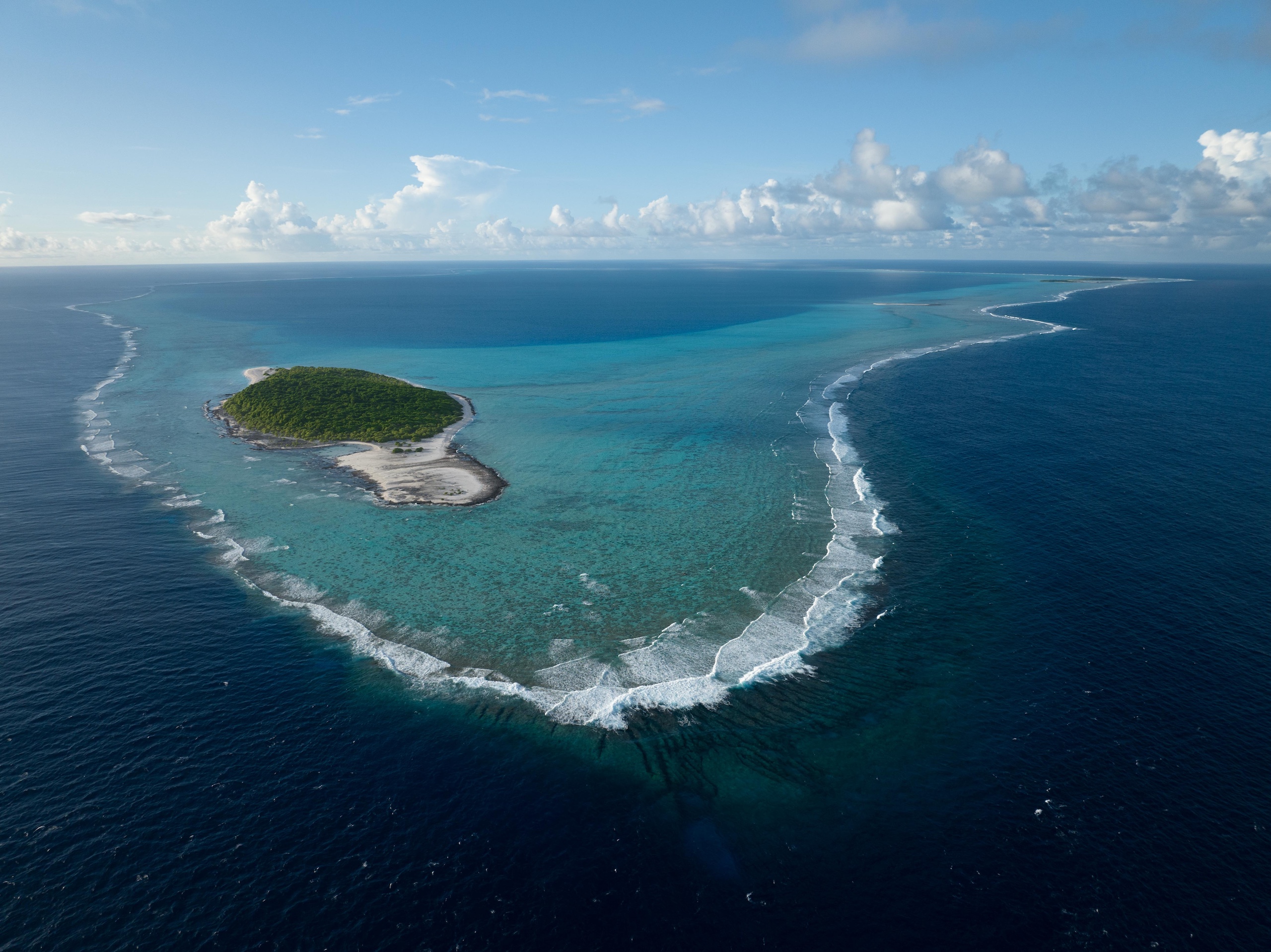
In early 2025, two atolls in the Marshall Islands – considered among the most pristine ocean ecosystems in the Pacific – were declared a marine sanctuary, adding 48,000 square kilometres to the country’s protected waters. This article by Jenny Sinclair explains how the Reimaanlok conservation approach places Indigenous voices and traditional knowledge at the centre of marine protection. Under Reimaanlok, conservation decisions are made by local communities with scientific input. But limited funding, as well as insufficient scientific and enforcement capacity, remain challenges.
In northern Nigeria, floods impact disabled people most
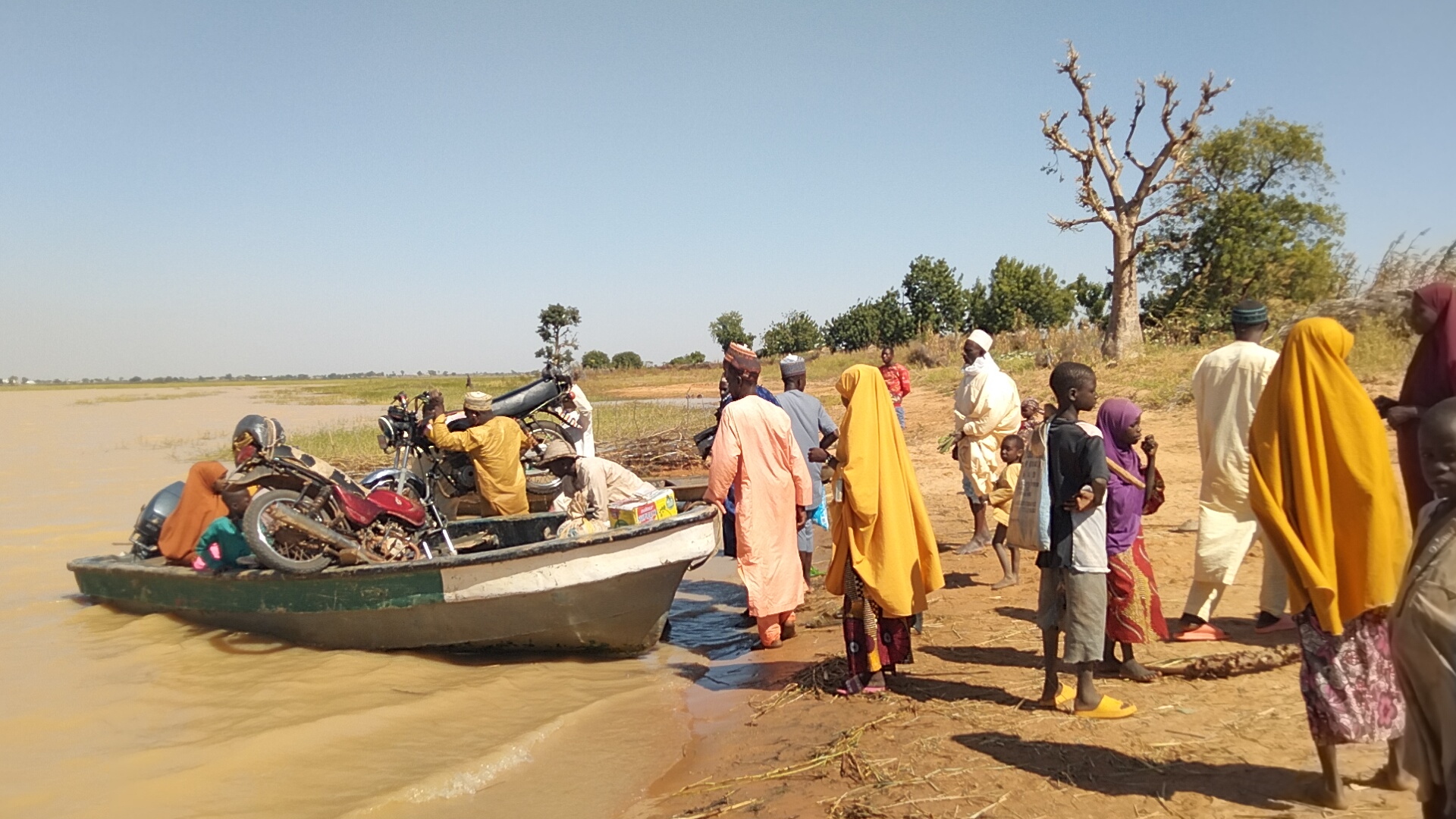
Floods in northern Nigeria disproportionately harm people with disabilities, reports Tunde Omolehin. Poor infrastructure and a lack of drainage make mobility nearly impossible after rains – wheelchairs get stuck, wooden bridges flood, and many are unable to access vital support. Limited government help is a major part of the problem. In September, Tunde’s article won the top Digital Journalism prize at the inaugural Indie Media Maverick Awards.
Latin America is riding a wave of surfing activism

Surfers are turning recreation into activism by campaigning to legally protect surf‑worthy waves, explains Carolina Loza León. Collaborating with scientists and local communities, surfers are advocating for conservation, coastal protection and sustainable tourism. What began as a passion for surfing has grown into a movement recognising waves as ecologically, culturally and economically valuable.
How European companies feed the global shadow fleet
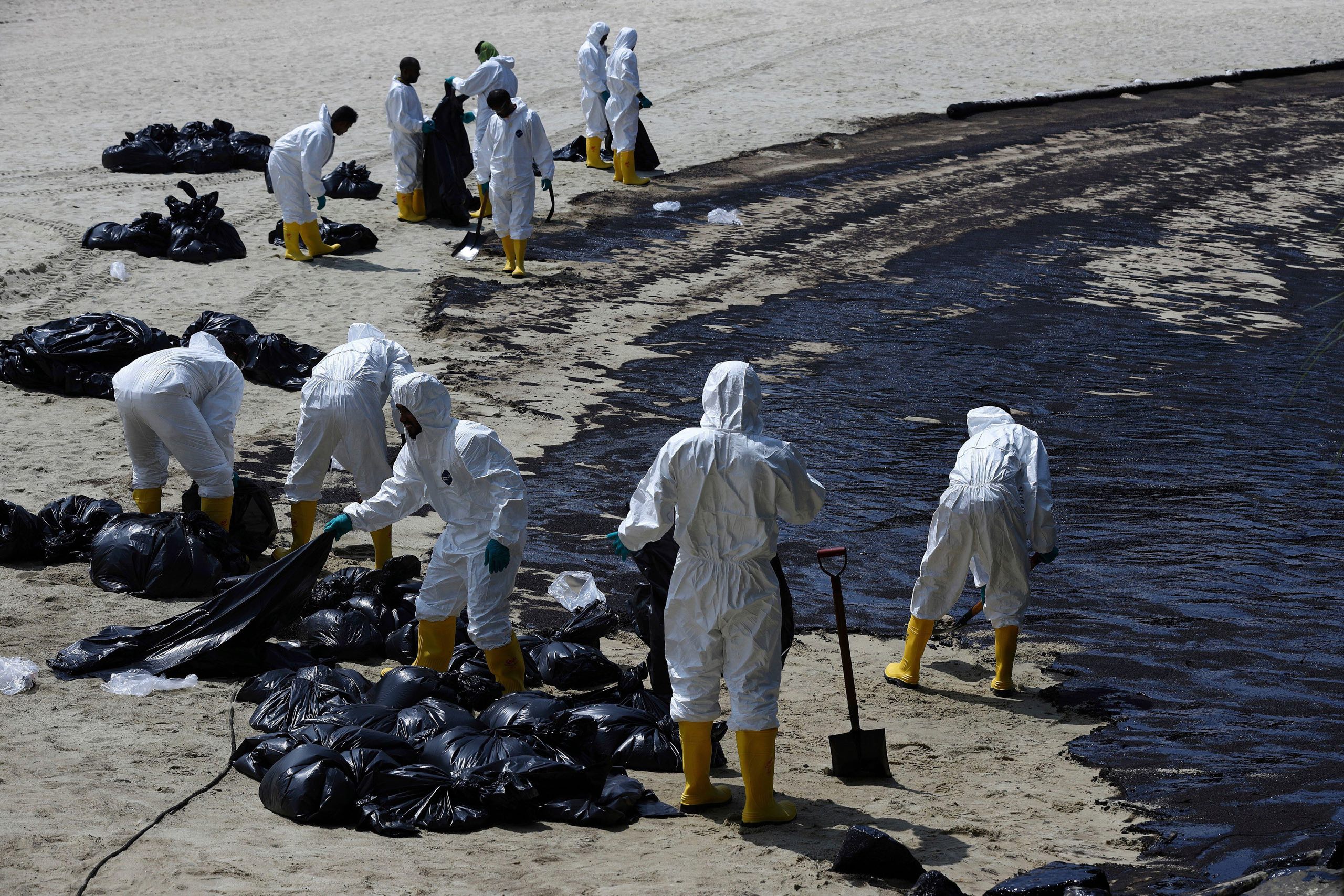
This article came about through our partnership with the journalism platform Follow the Money, supporting its multistranded investigation The Shadow Fleet Secrets. The series, which won the 2025 Daphne Caruana Galizia Prize for Journalism, unearths a global network of tankers shipping oil from sanctioned nations, evading international oversight. Our contribution, written by Nathaniel Peutherer, reveals how recruitment companies in European countries with sanctions against Russia and Iran have provided the shadow fleet with crew.
The shape of a new climate politics emerges
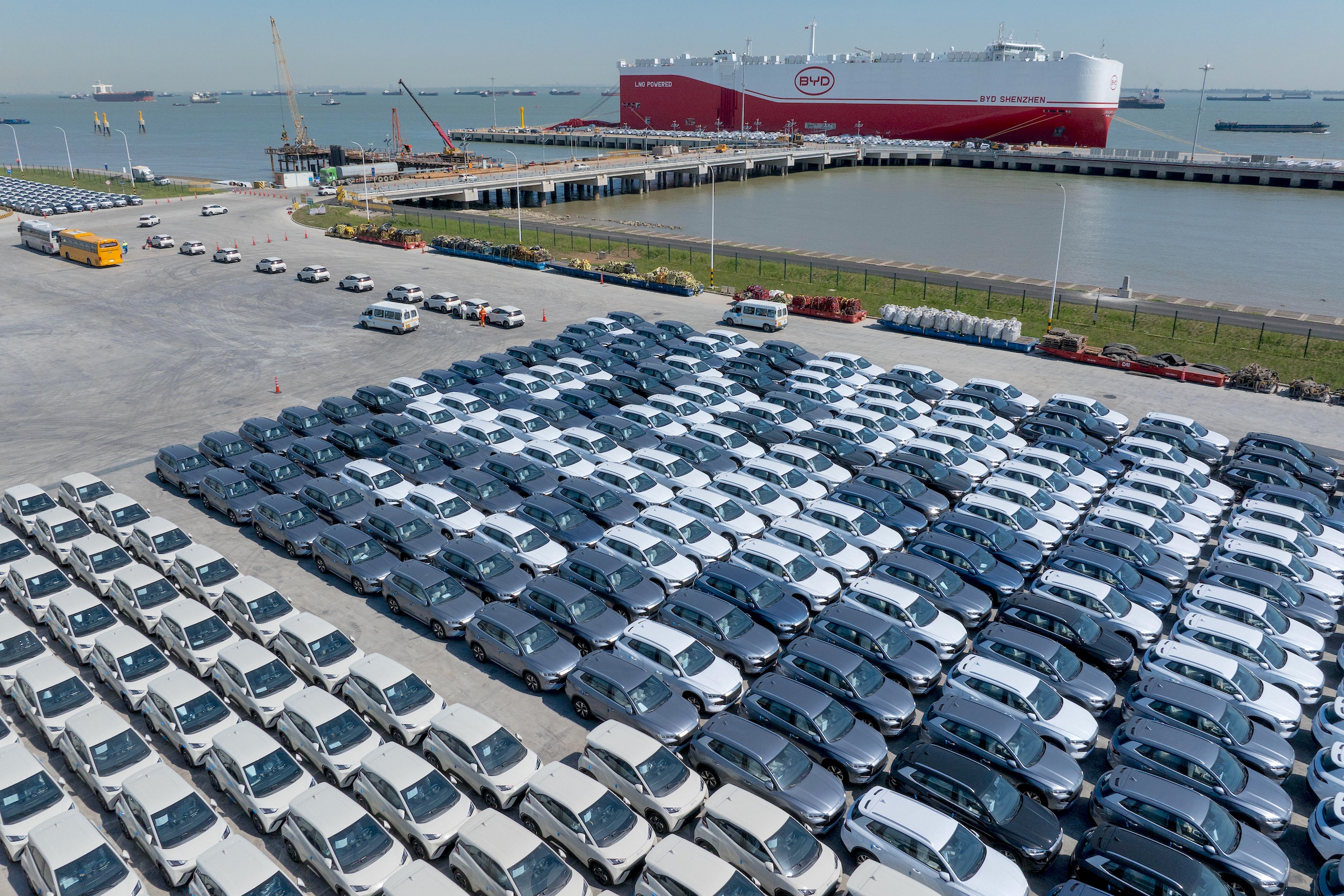
In this analysis, our former CEO Sam Geall examines the shifting place of climate action with multilateralism under attack. Sam argues that climate politics is moving from multilateral diplomacy to a state-driven world where trade, national security and industrial policy shape decarbonisation. As the planet warms and global power rivalries grow, Sam predicts climate action may increasingly occur under the banner of national security, as it has in China for some years.
New Everest route seeks to make ascent less deadly
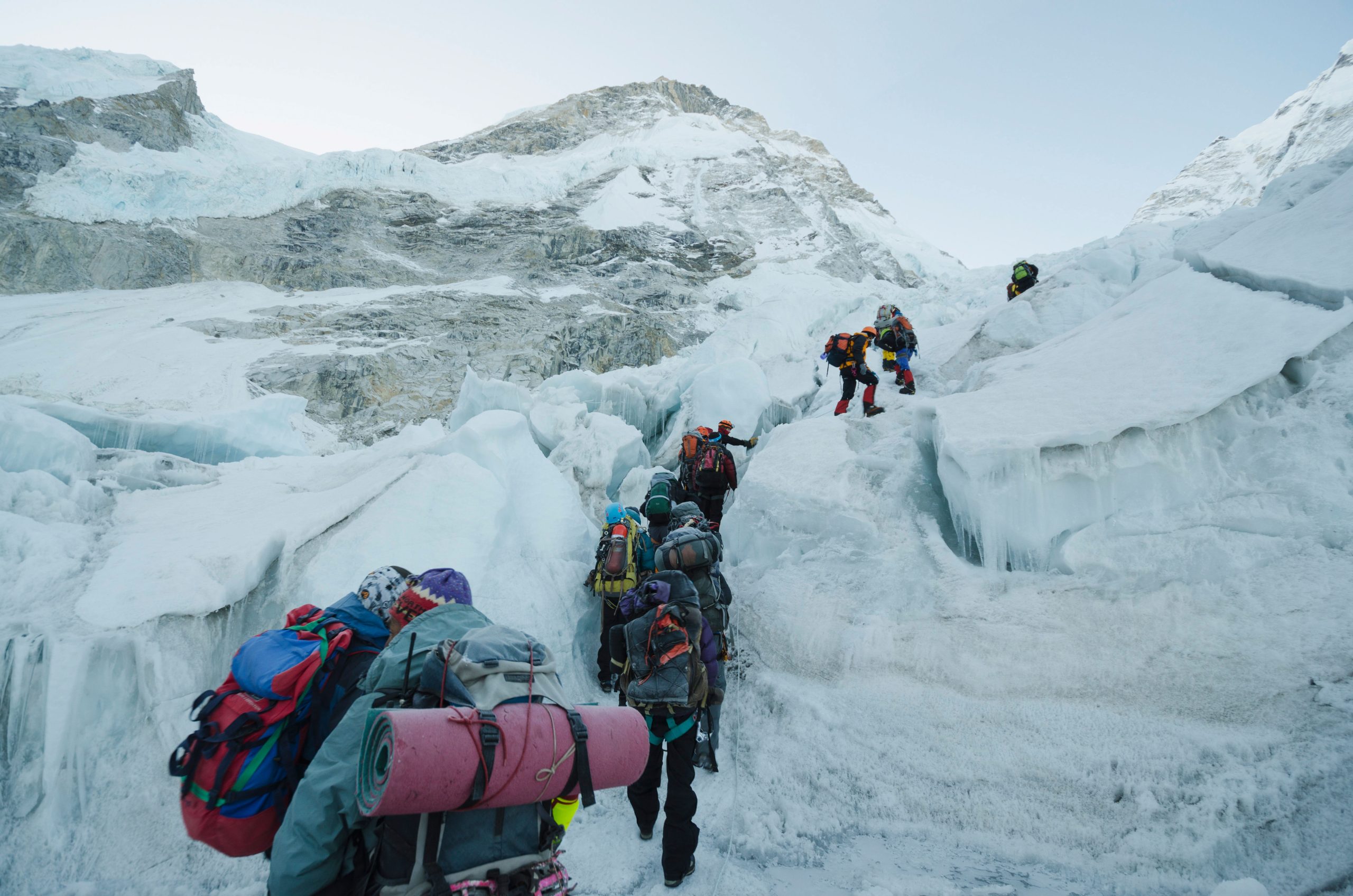
With temperatures rising, the world’s highest peak is becoming deadlier. Ridhi Agrawal presents the experiences of mountaineer Sherpas in the changing climate, as well as a Nepali-French team building a new route to the summit that cuts through rock rather than ice. Ridhi spent weeks in the region speaking with Sherpas, mountaineers and cryosphere researchers, trying to find out what adaptation to climate change looks like in the Hindu Kush Himalayas.
How Myanmar’s gold rush threatens international rivers
Unregulated gold mining in Myanmar’s Shan State has rapidly expanded, using toxic chemicals like cyanide without proper safeguards, reports Kannikar Petchkaew. Waste runoff is contaminating streams that feed international rivers, threatening water supplies for millions. Local communities report poisoned livestock and unsafe drinking water, while weak regulation and armed-group control have left the crisis largely unmonitored.
Understanding China’s huge fisheries law overhaul
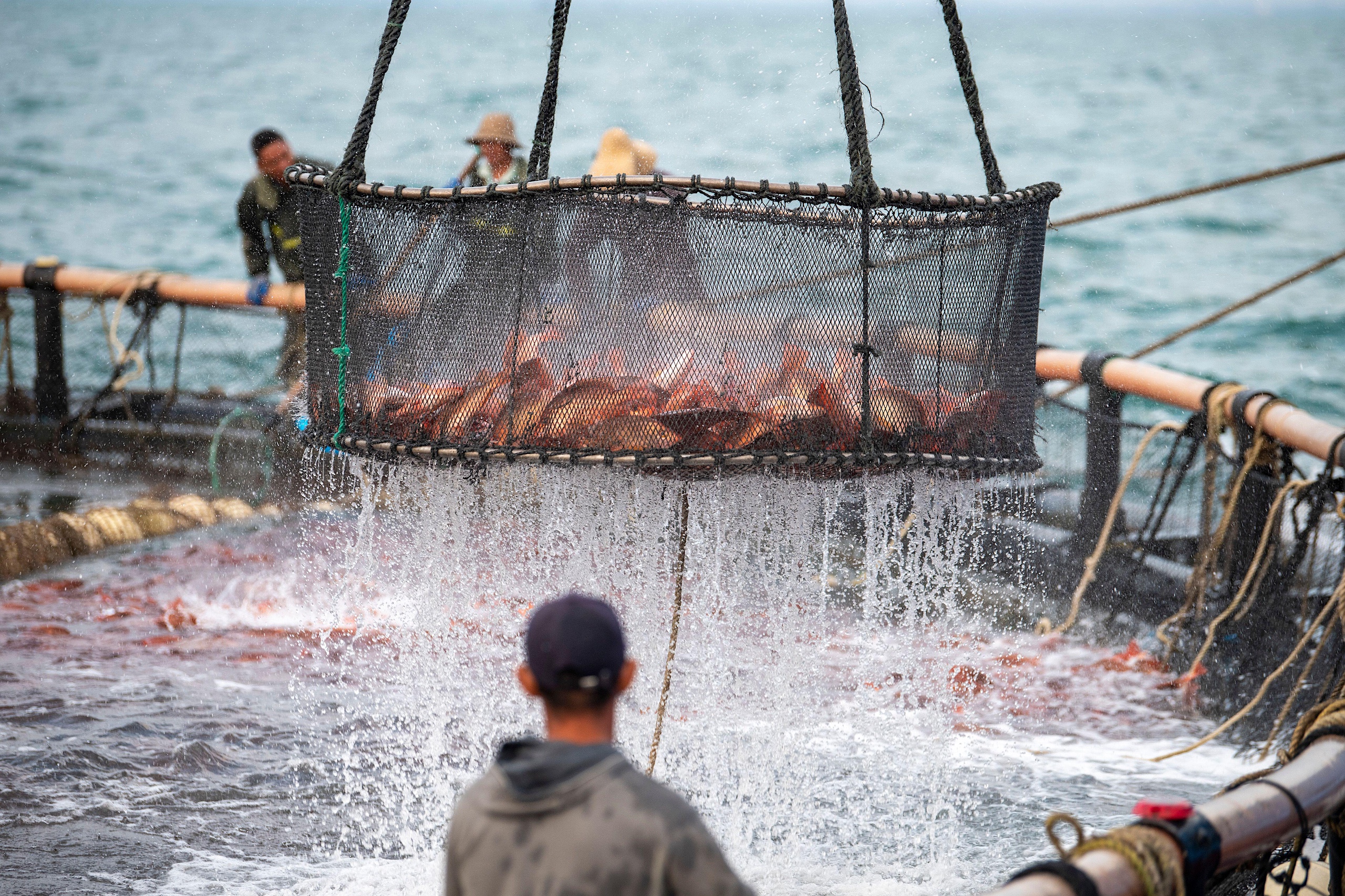
International media reports on China’s fisheries law revision had focussed on the implications for the fishing conflicts in the South China Sea. Regina Lam’s analysis from February explores other areas – how the draft law’s targeting of unregistered boats and damaging gear could curb overfishing, but might also damage the livelihoods of small-scale fishers. In a follow-up piece published in August, Feng Yingxin discussed with fishers what the revision means for their rights and futures.