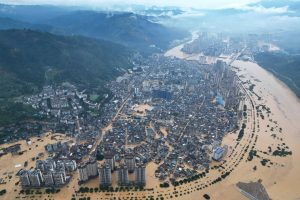
In late March, residents of southern Hunan were passing on an emergency notice from environmental authorities about thallium pollution in the Leishui River.
The river feeds into several local water supply plants, and villages draw from it for use at home and on farms.
An emergency response had been triggered four hours after abnormal levels of the metal were identified, the notice stated.
Thallium, a toxic element which causes both acute and chronic poisoning, is an uncommon pollutant and China’s standards for surface water quality do not require testing for it.
Quick action meant the quality of water at supply plants was not affected, and there have been no reports of harm to health.
“In the past, thallium contamination had been discovered after the fact,” Ma Jun of the Institute of Public and Environmental Affairs (IPE), a non-profit, told Dialogue Earth. “But in this case it was picked up earlier, by automated monitoring, in time for an emergency response.”
China’s water-monitoring network got a boost in 2015 with the State Council’s Water Pollution Action Plan. Its aim was to improve the quality of surface water, groundwater and coastal waters, as Dialogue Earth reported at the time.
In the decade since, China has made significant progress on tackling surface water pollution. Between 2014 and 2024, the percentage of such water suitable for drinking, fishing and direct human contact (that is, Class I to Class III) rose from 63% to 90.4%, according to the Ministry of Ecology and Environment (MEE). While the share of the most polluted waters (not reaching Class V) fell from 9.2% to 0.6%.
However, serious challenges remain – with the rural water environment, with groundwater, and with new pollutants. Experts told Dialogue Earth that as water quality improves, the government’s focus is shifting from controlling pollution to restoring ecosystems.
A new normal
Prior to the release of the 2015 action plan, frequent water and air pollution incidents were causing public concern and a loss of trust.
China has had a Water Pollution Law since 1984, and the 1990s saw government-led clean-ups targeting specific rivers. The action plan, though, brought together the government, the market and the public. This joint approach to water governance was seen as a new normal replacing the “iron fist” approach.
The clean-up of foul urban waterways is seen as a typical example.
Ma Jun recalls rivers that would flow into a city and emerge dark and foul-smelling. The action plan set a goal of eliminating that problem by 2030.
In 2016, the MEE and other bodies launched an online reporting platform and started sharing data with the “Blue Map” of pollution created by the IPE, encouraging members of the public to provide leads.
According to data on the Blue Map, 13,000 reports were received in the following four years, with over 80% receiving an official government response. By June 2024, China had identified over 3,000 “foul waterways” through a combination of public reports, real-time monitoring and remote sensing. Of these, 98.4% received an intervention of some degree.
An IPE report published this year shows the number of central and local government water-monitoring points publishing data has increased more than sixfold since 2015 – from less than 1,000 to 6,400. Of these, 3,646 are managed centrally, by the MEE, with results updated every four hours. The number of groundwater and coastal monitoring points has also increased, further expanding the network.
According to Debra Tan of China Water Risk, a Hong Kong environmental organisation: “It was leaning into tech for real-time monitoring and the government’s daring to invite public participation and transparent disclosure of pollution that won the people’s trust, leveraging China’s vast population as watchdogs.”
‘Deep water’ and new pollutants
Although there has been progress on perceptible issues such as foul rivers, problems like groundwater pollution still stand in the way of the action plan’s goals.
The plan wanted worsening groundwater pollution to have been brought under initial control by 2020, with very poor quality water brought down to around 15%. But over 20% of groundwater was deemed to be Class V – too polluted to drink – between 2021 and 2024, according to annual environmental bulletins. IPE analysis shows this is due to overextraction and industrial seepage.
Transparency on groundwater contamination also lags. China now has over 20,000 groundwater monitoring points, but only states if tap water sources are up to standard or not.
With perceptible pollution issues improving, governance is turning to those which are invisible. In 2022, China announced a campaign to tackle new pollutants: persistent organic pollutants, endocrine-disrupting chemicals and antibiotics. An editorial in the People’s Daily described these as “tough bones to chew”, after the easier tasks of cleaning up air pollution and foul waterways.
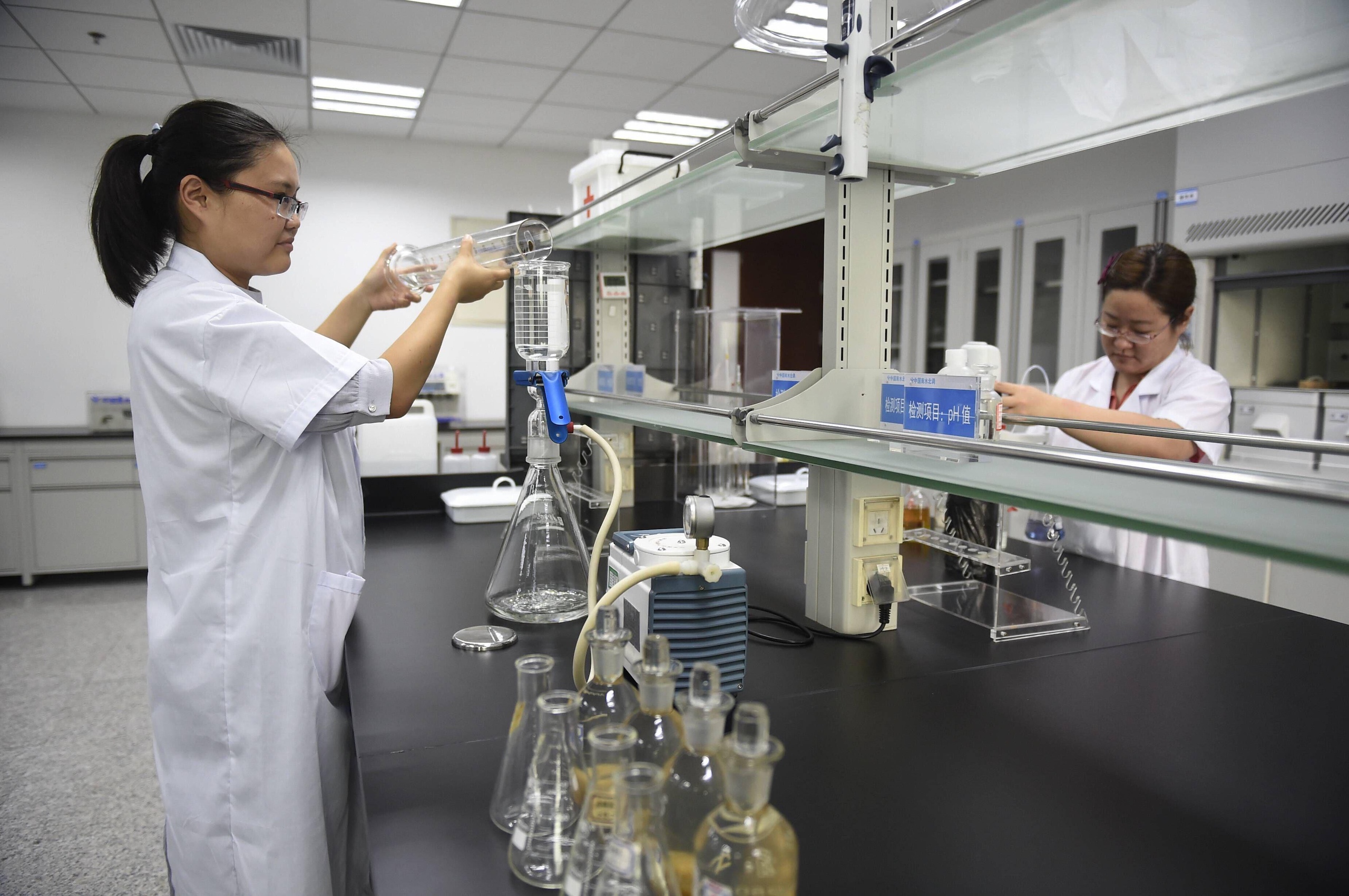
For example, studies have found antibiotics are common in China’s surface water and even groundwater, with agriculture being the biggest source. In the Yangtze River basin, 1,600 tonnes of antibiotics reached the water and other environments every year between 2013 and 2021.
In 2022, the State Council issued a systematic plan for dealing with those new pollutants, with monitoring in key locations, industries to establish the extent of the problem, and a treatment strategy focusing on risk prevention.
The technology for identifying and removing new pollutants, as well as associated standards, are new, with multiple challenges ahead, commented He Linghui, deputy director of Shenzhen Zero Waste. The focus should therefore be on stopping their release at source, so they never reach the environment.
In 2023, China issued a first list of new pollutants to be focused on, but many hazardous chemicals were missing. He Linghui said the list should be expanded over time, with emissions standards and overall caps to reduce usage.
From cities to villages
Over the last decade, China has invested more in cities than rural areas, and seen better outcomes as a result. In 2024, 98% of all urban wastewater was treated, compared to only 45% of rural domestic wastewater. Experts say the focus should shift to rural areas, and agricultural pollution.
According to an article by Luo Wushan, a senior inspector with the MEE’s South China Inspectorate, poor water quality in rivers and lakes is now mainly caused by phosphorous levels – and 99% of that comes from agriculture. The remaining 1% is from industry and urban wastewater, and cannot easily be further reduced.
To improve the situation in rural areas, China published a plan in 2021 aiming to have 40% of village wastewater pass through treatment plants by the end of 2025. Surface pollution from agriculture is a trickier problem, and the related plans lack quantified targets, saying only that things should be coming under control by the end of 2025. There are a number of reasons for this.
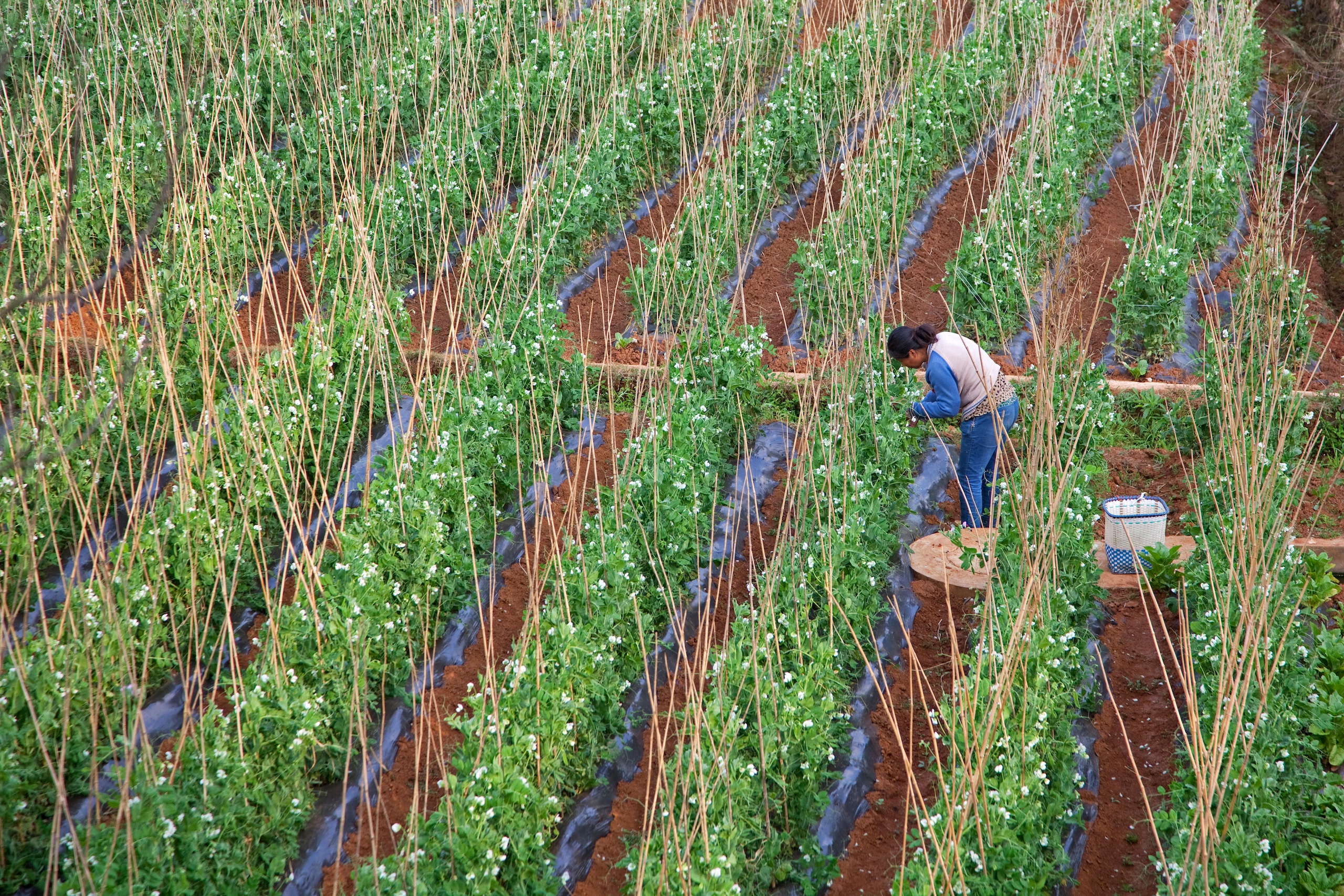
Agricultural pollution is more dispersed than that from industry and cities, as the MEE has explained. This makes it harder to identify, monitor and track sources of pollution. Also, work on this issue started later and there is a combination of historical “debts” and new pressures. Current approaches are both costly and ineffective.
Experts say copying the approaches used in cities and industry will be ineffective for the dispersed and changeable patterns of pollution in rural areas. Recently, in some river catchments, China has been exploring a shift from a focus on preventing pollution alone to management of ecosystems – and this could be the solution for those rural areas.
Luo Wushan explained: the main pollutants in rural areas are nitrogen and phosphorous, which are used in crop fertilisers. He thinks in situ recycling should be explored: using the restoration and creation of river and lake ecologies to increase the water’s ability to clean itself, so solving a problem that will not yield to engineering methods.
Towards ecological management
In 2022, Zhang Bo, then head of the MEE’s Department of Water Ecology and Environment, said that on testing figures alone, China’s water environment was on a par with mid-tier developed nations. But that in many catchments the ecology was still out of balance, with rivers and lakes often drying up: “There are still some big failings.”
Against that background China has said it will work on three aspects of the problem – the water environment, water resources and water ecologies – in order to protect and restore water systems.
In May this year, the MEE and other bodies published an action plan for protecting rivers and lakes over the coming three years, saying that more than a simple assault on pollution is required.
That’s the approach being taken on the Yangtze. In 2021, a 10-year fishing moratorium was imposed on the river, with about 230,000 fishers being found alternative employment. Protection and restoration of key wetlands and grasslands got underway, and functional zones were drawn up along the river’s course, with remaining natural riverbanks protected and restored.
In 2023, China trialled a system for assessing the Yangtze’s environmental health, covering the number and population size of aquatic species, retention of natural river banks, river and lake interconnectivity, environmental flows and a human activity index.
In comparison, Ma Jun says, the EU and US have been emphasising the protection and restoration of water ecosystems, and monitoring and assessing their health, since the 1980s. The goal of the EU’s Water Framework Directive is to restore water bodies. “It treats the river as a river of life and aims to help it support ecosystems. Our basic aim is the same.”